Forestry Mulching
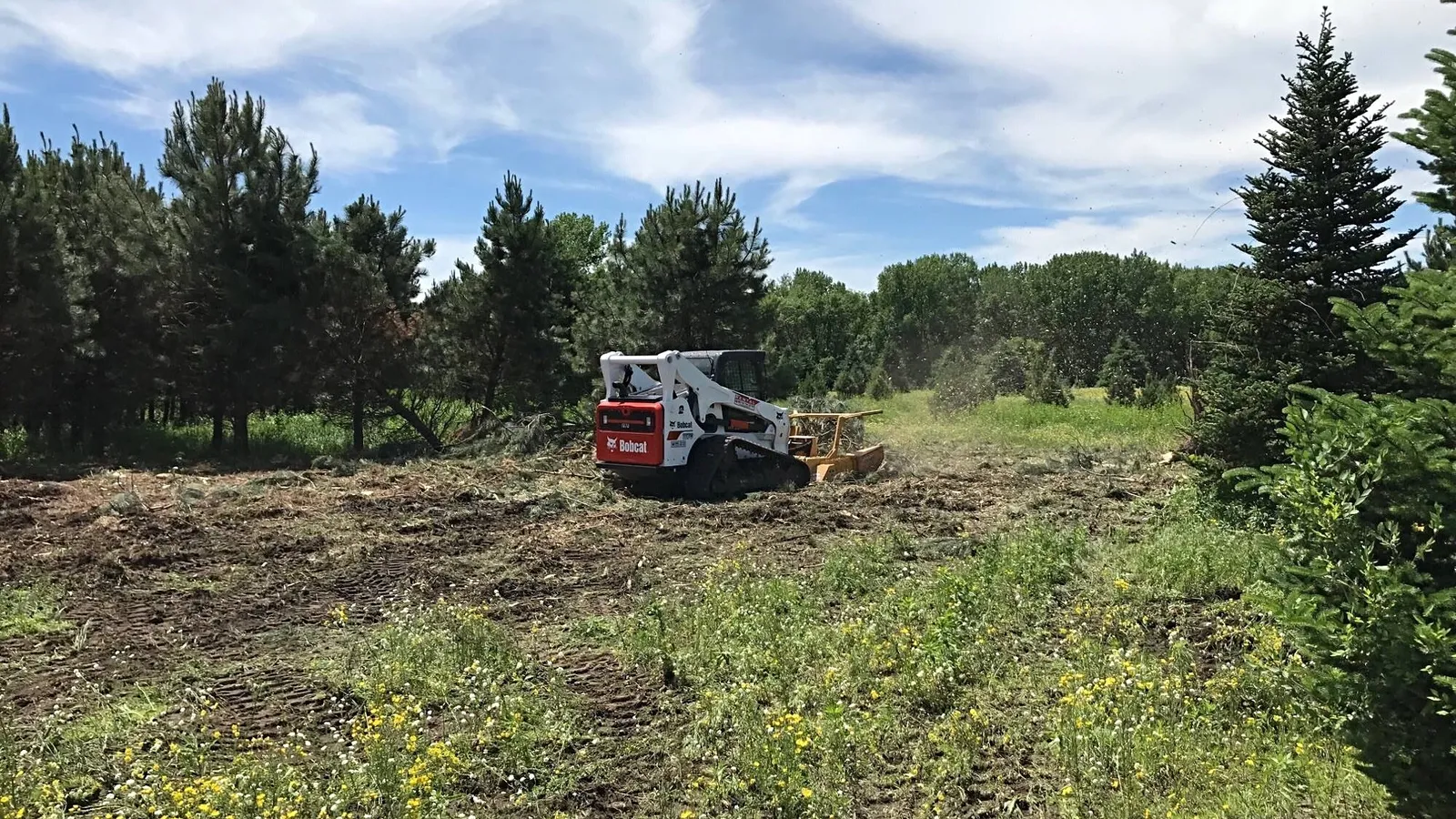
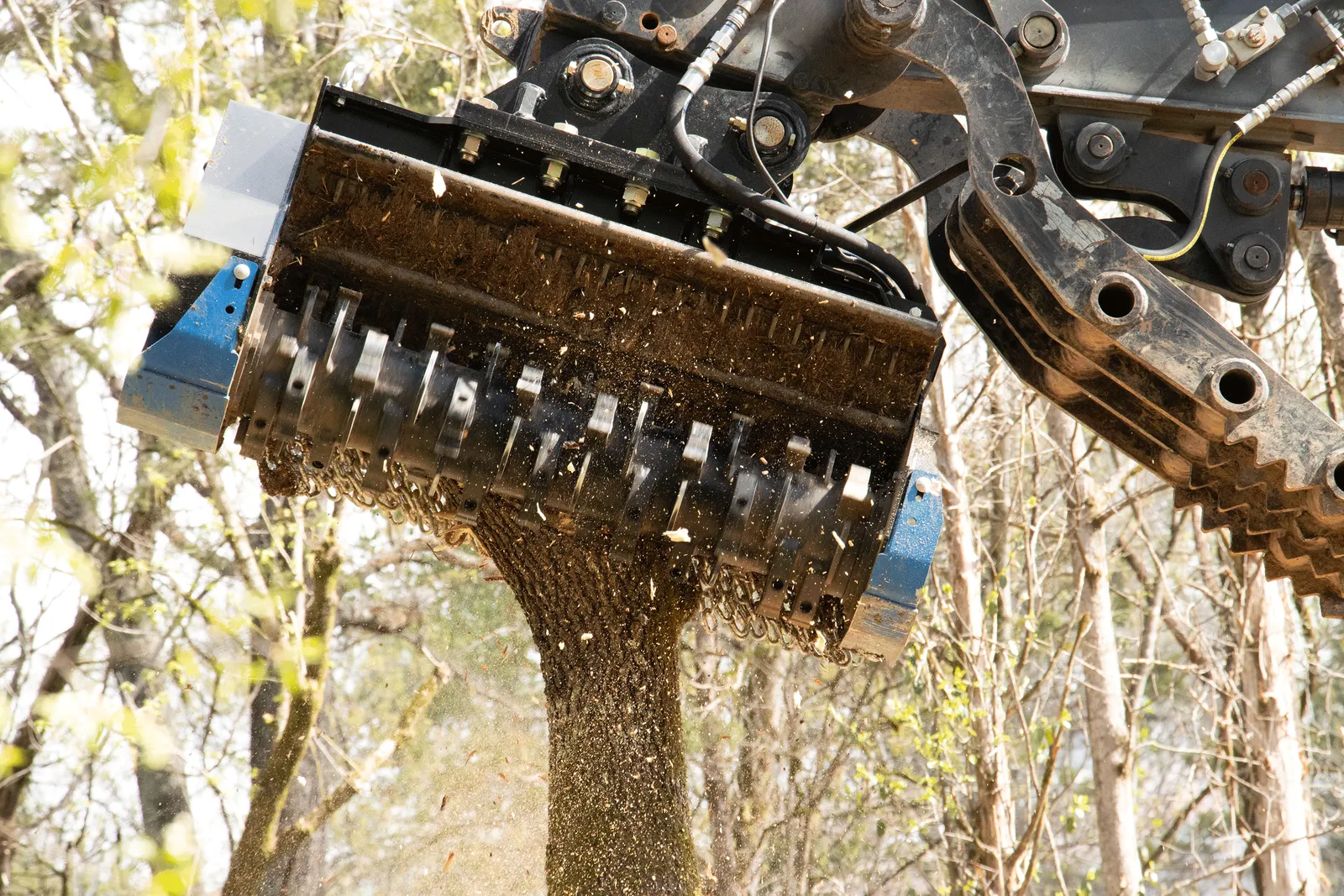
A mulcher head grinds brush and small trees into chips in one pass. You get the ground back under a layer of chips.
Learn More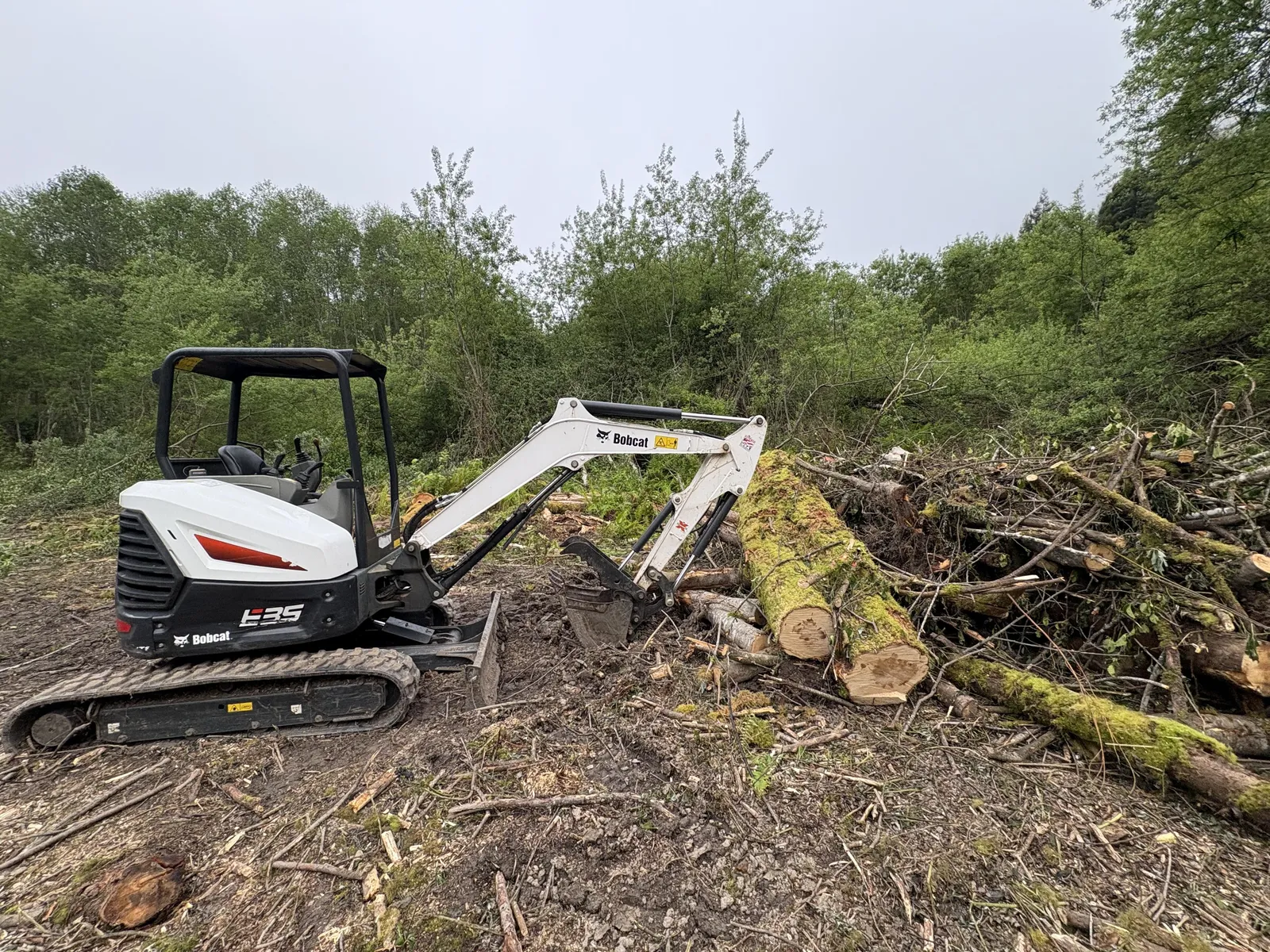
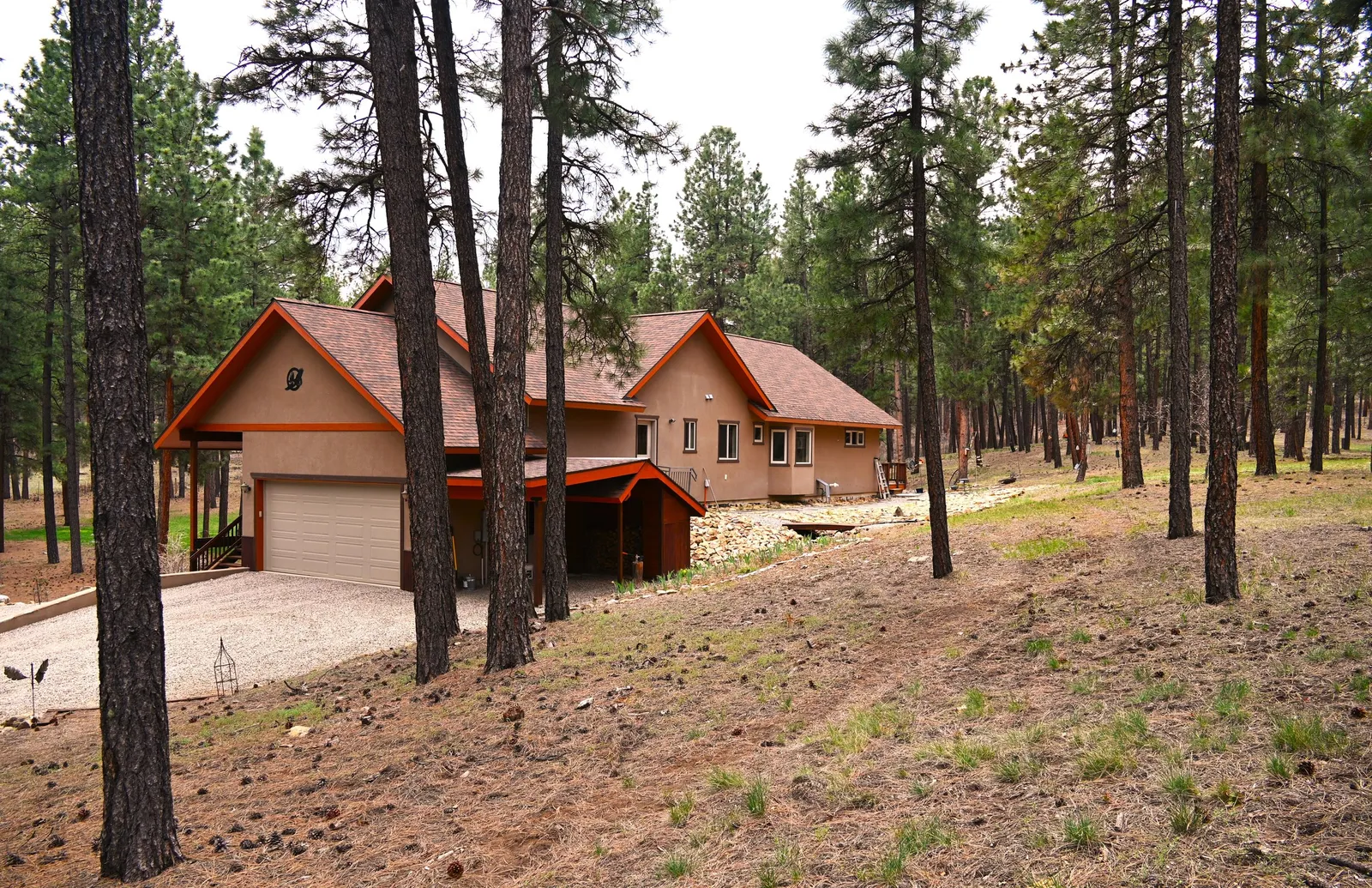
Defensible space clearing puts room between a building and the fuel that would carry fire to it. On rural property around Lebanon that fuel is brush, blackberry, small trees and cured summer grass. It creeps in close to the house, the shop and the barn over a few wet seasons. We cut it back with machines.
Willamette Valley Land Clearing runs a Bobcat skid steer and an excavator, both with forestry mulcher heads. The mulcher grinds brush and small trees into chips where they stand, and the chips stay put. Before fire season we knock tall grass down with a brush mower. The same machines handle land clearing farther out when you want more of the property opened up.
Tell us about the job. We will get right back to you.
Current state guidance breaks the ground around a building into three rings. The first five feet against the wall stays free of anything that burns. From five to thirty feet, growth is kept low, thinned and green. Past thirty feet the work turns into lighter thinning.
Our machines do the work in the outer two rings. We take the brush mass out from under trees and drop small trees crowding a structure. All of it gets mulched in place. We hold the chip layer back off the walls, because chips against siding are fuel of their own.
Fire research points to blowing embers as the main way houses catch during a wildfire. An ember that lands in dry brush against a wall has plenty to work with. One that lands on mowed or bare ground has much less.
The 2020 Labor Day fires changed how people here think about fuel. The Beachie Creek and Lionshead fires burned through the Santiam Canyon east of Stayton. Fires in the canyon that week ran through more than 400,000 acres. Detroit alone lost over 250 homes.
Those fires ran on east wind during a September heat wave. East wind events push dry air down out of the Cascades and across the valley floor. Dry grass, blackberry thickets and brush all carry fire fast once it reaches them.
Fuel reduction is the part of that picture you control. Taking the brush mass down around a building lowers how hot a fire burns when it arrives. It also gives crews somewhere to work from. Forestry mulching does that in one pass and leaves chips that hold bare soil through the wet months.
The best window for this work is spring into early summer. The ground has dried enough to carry a machine. The grass is up but has not cured out. Winter works too where the ground is firm, though wet clay limits where we can drive.
Once Oregon's fire season is on, state rules typically limit power equipment work. Mowing cured grass and running machines is usually restricted through the hot afternoon hours. Those limits move with the fire danger level in each district. We plan the day around whatever level is posted.
Access matters as much as the clearing itself. A rural driveway that brush has narrowed leaves no room for a fire engine. We can open that lane back up while the machines are already out. Overgrown driveway clearing often rides along with the same job.
From the first call or text to the final look at the cleared ground, here is how it goes.
Tell us where the property is and what you want cleared. Rough acreage and a couple of photos give us a good start.
We come out, look over the ground and talk through the scope with you. Then you get a free estimate for that scope of work.
Before the machines move, we sort out access and timing. Oregon law typically calls for an 811 utility locate ahead of ground-disturbing work. In summer, Oregon Department of Forestry fire season rules can limit power equipment hours. We plan the job around whatever applies to your property.
The mulcher head grinds brush and small trees into chips in place. The brush rake pulls stumps and root balls where the ground has to come clean.
We spread the chips out and smooth the cleared ground where it needs it. Then we go over the finished work with you before we load up.
Common questions about defensible space across the mid-Willamette Valley. If yours is not here, call or text and ask.
A mulcher head grinds brush and small trees into chips in one pass. You get the ground back under a layer of chips.
Learn More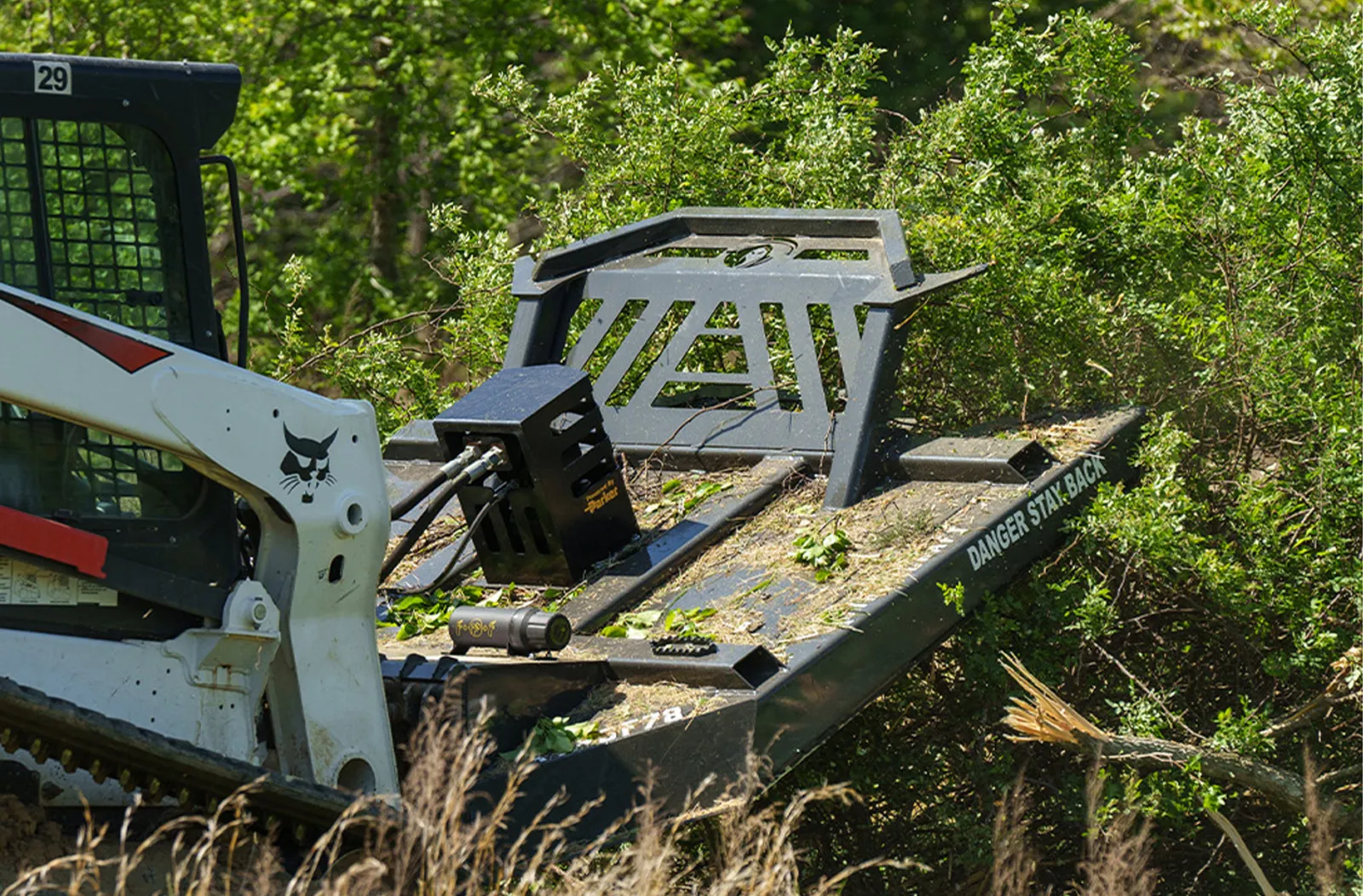
We brush hog overgrown fields, pasture and heavy weeds with a skid steer brush mower. Free estimates across the mid-Willamette Valley from our base in Lebanon.
Learn More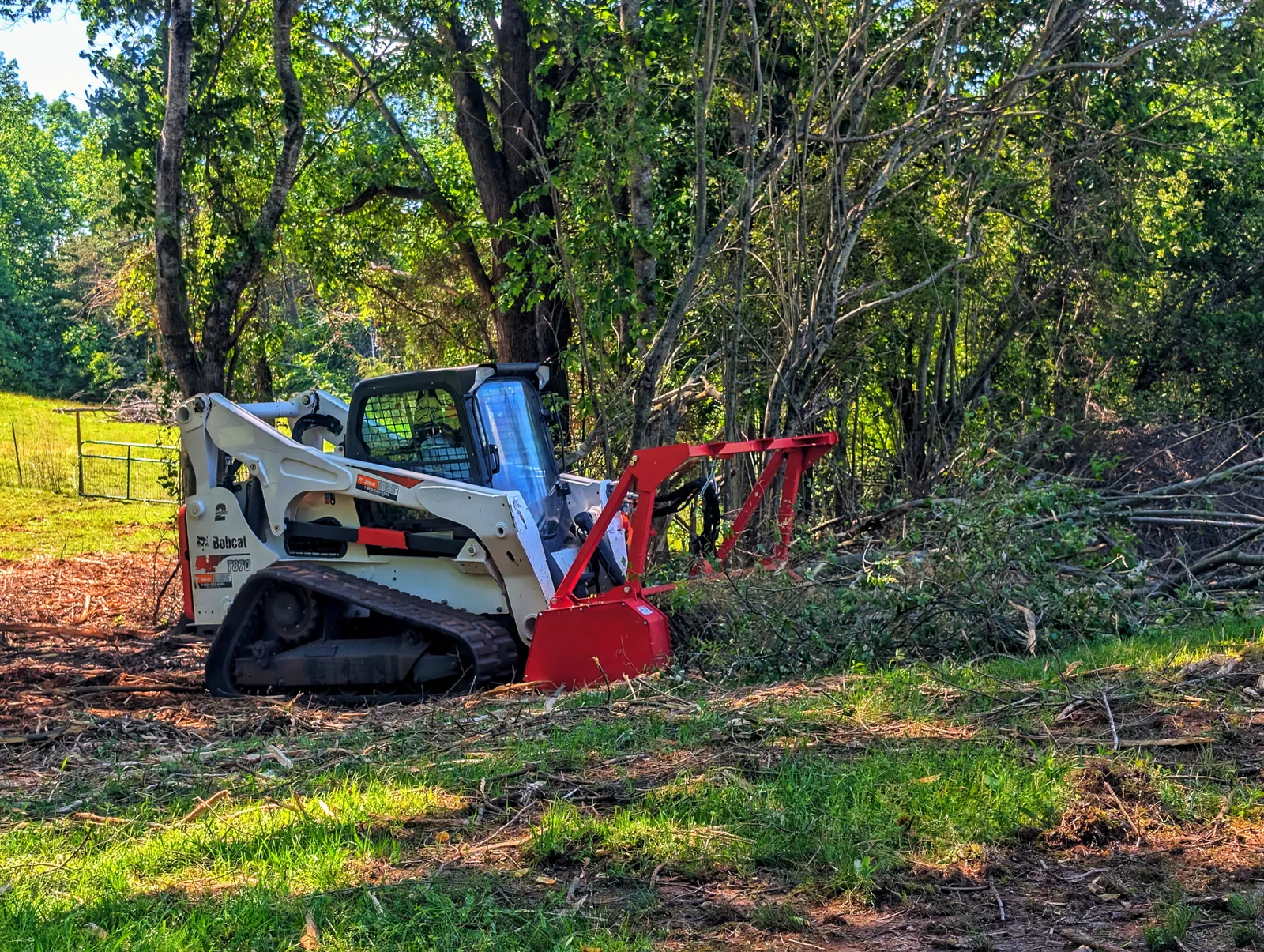
We clear thick brush, undergrowth and small trees off lots, field edges, fence lines and back acreage. The material gets mulched in place or raked into a pile.
Learn MoreOur Bobcat skid steer carries a forestry mulcher head and a heavy brush mower. The excavator adds a mulching head and a brush rake, so stumps and root balls come out as we go.
Estimates are free in Linn, Benton, Marion, Polk and Lane counties. Tell us where the property sits and what you want cleared, and we will come look at it.
The same machines cut the growth, mulch the material and smooth the cleared ground. One company covers the work from the first pass to the last look.
Reach us at (541) 936-4687 by call or by text. A few photos of the property help us size up the job before we drive out.
Tell us where the property is and what you want cleared, and we will set up a look at it. You can also call or text (541) 936-4687.
Tell us about the job. We will get right back to you.