Blackberry Removal
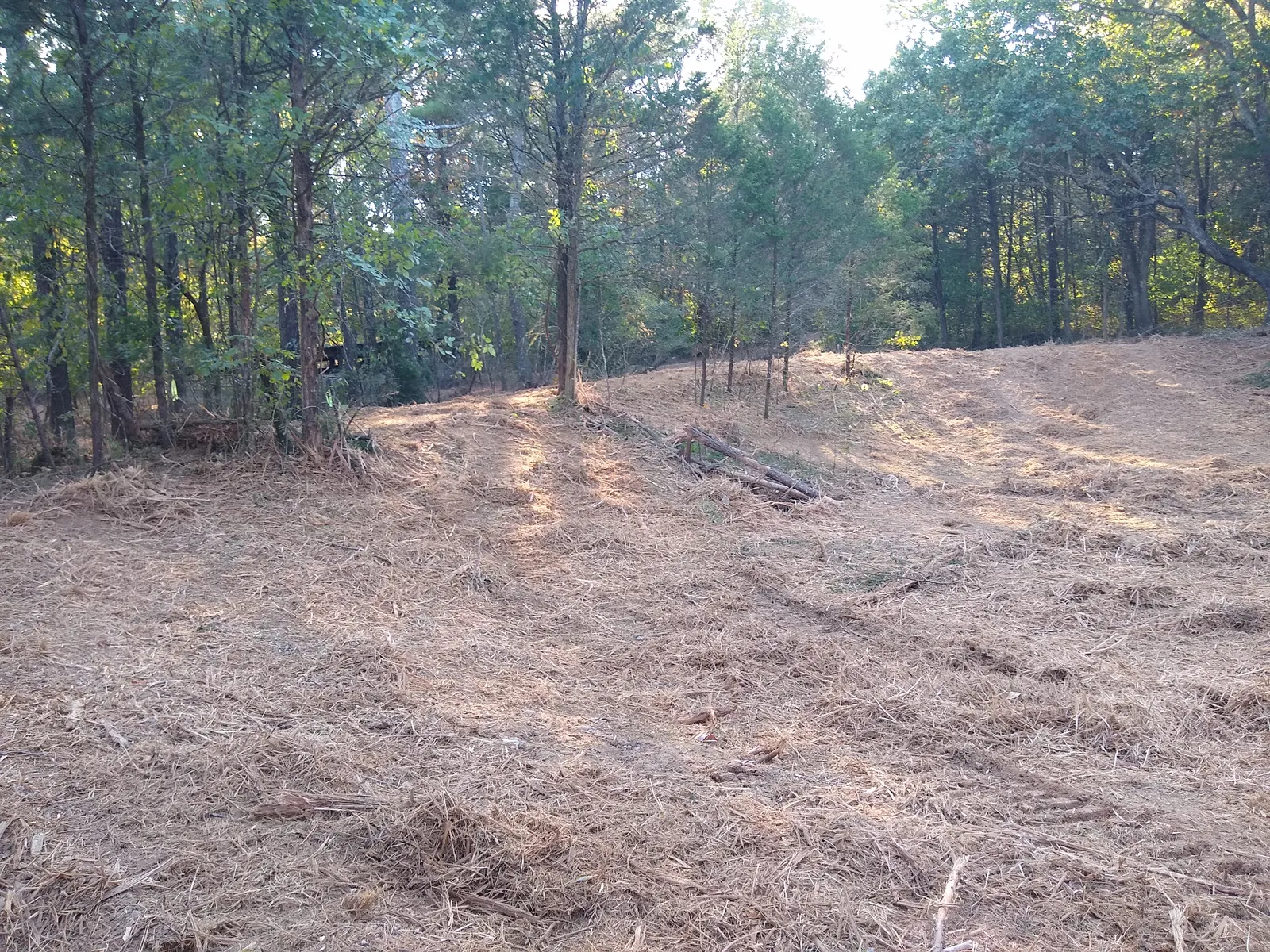
We clear Himalayan blackberry off fields, fence lines, yards and back acreage with mulcher heads. Blackberry regrows from its root crowns, so we plan the follow-up mowing with you.
Learn More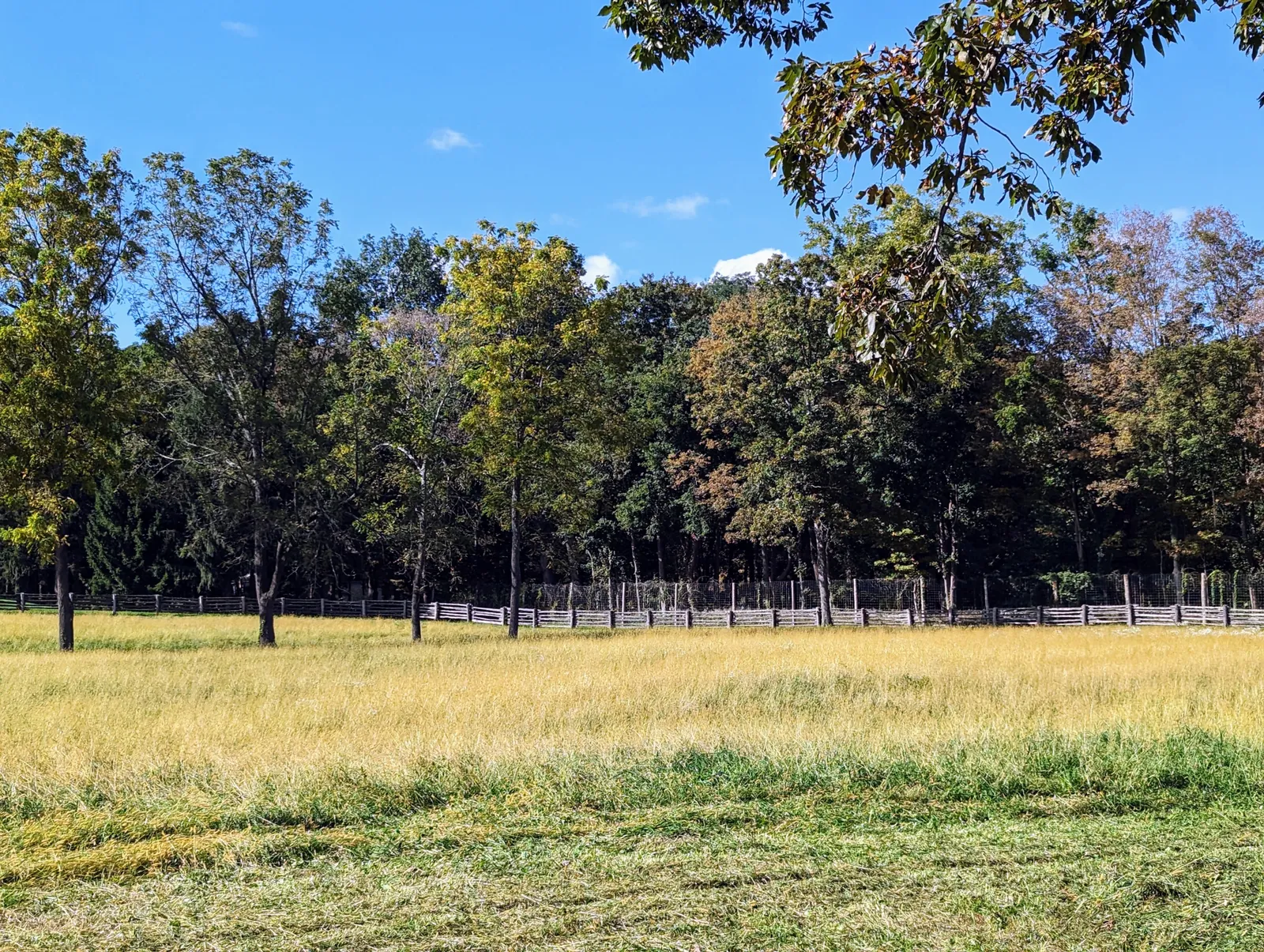
Brush hogging is rotary mowing for ground that has gotten away from you. That means a grass field standing chest high, a pasture two seasons behind, or a fence line swallowed by weeds. We run a heavy brush mower on our skid steer and cut it back to short stubble. The cut material drops and settles into the ground it came from.
Grass grows hard here through the wet valley spring, then cures dry by July. One missed year and a field is past a lawn tractor. Our mower handles tall grass, heavy weeds and light brush on fields, pasture and small acreage. When the growth has turned woody, forestry mulching is the better tool.
Tell us about the job. We will get right back to you.
Field mowing means cutting everything standing down to stubble in one pass. Our brush mower takes tall grass, heavy weeds and light woody growth. Rotary cutters like this one are built for stems up to a couple of inches thick. Past that, stems bend under the deck instead of cutting clean.
Around Lebanon that usually means valley grass gone to seed, plus thistle, teasel and tansy ragwort. Fields left a season or two also pick up blackberry canes creeping in from the edges. Light canes mow. An old mound of blackberry needs blackberry removal first.
Our Bobcat skid steer carries the mower out front, so it reaches into corners and along banks. Rough ground, old furrows and ruts are normal on valley fields. We mow around whatever you want left standing.
Pasture mowing does two jobs at once. It knocks weeds down before they set seed, and it pushes grass to put out fresh growth. Cool season grass here grows hardest from spring into early summer. That is when a pasture gets away from you fastest.
The same pass works on other ground around a place. We mow rows between hazelnut trees and tree plantings, farm lanes and field edges. Growers here mow row middles as routine work to keep the floor down for harvest. Where a lane has gone past grass into brush, we handle it as access road and fence line clearing.
Mowing cuts the top off, and the roots stay. Growth comes back. A field you reclaim wants a cut on a schedule to stay open. A spring pass and a late summer pass keep most fields in shape.
Valley grass cures dry by midsummer, and a tall dry field carries fire fast. A mowing pass before the heat sets in takes that fuel down. Around a house or shop, defensible space guidance typically calls for short grass. The published figure is grass near four inches within about thirty feet of the structure.
We handle the grass side of that with the brush mower. Cutting brush, ladder fuels and small trees back further out is defensible space clearing. On a wooded homesite the two usually run together.
Oregon typically declares fire season in June, and mowing dried, cured grass gets limited as danger climbs. On high danger days that usually means early and late hours only, and at extreme it stops. A mower blade hitting a rock in dry grass can start a fire, which is the reason for the rules. We check the level and set the start time from there.
From the first call or text to the final look at the cleared ground, here is how it goes.
Tell us where the property is and what you want cleared. Rough acreage and a couple of photos give us a good start.
We come out, look over the ground and talk through the scope with you. Then you get a free estimate for that scope of work.
Before the machines move, we sort out access and timing. Oregon law typically calls for an 811 utility locate ahead of ground-disturbing work. In summer, Oregon Department of Forestry fire season rules can limit power equipment hours. We plan the job around whatever applies to your property.
The mulcher head grinds brush and small trees into chips in place. The brush rake pulls stumps and root balls where the ground has to come clean.
We spread the chips out and smooth the cleared ground where it needs it. Then we go over the finished work with you before we load up.
Common questions about brush hogging across the mid-Willamette Valley. If yours is not here, call or text and ask.
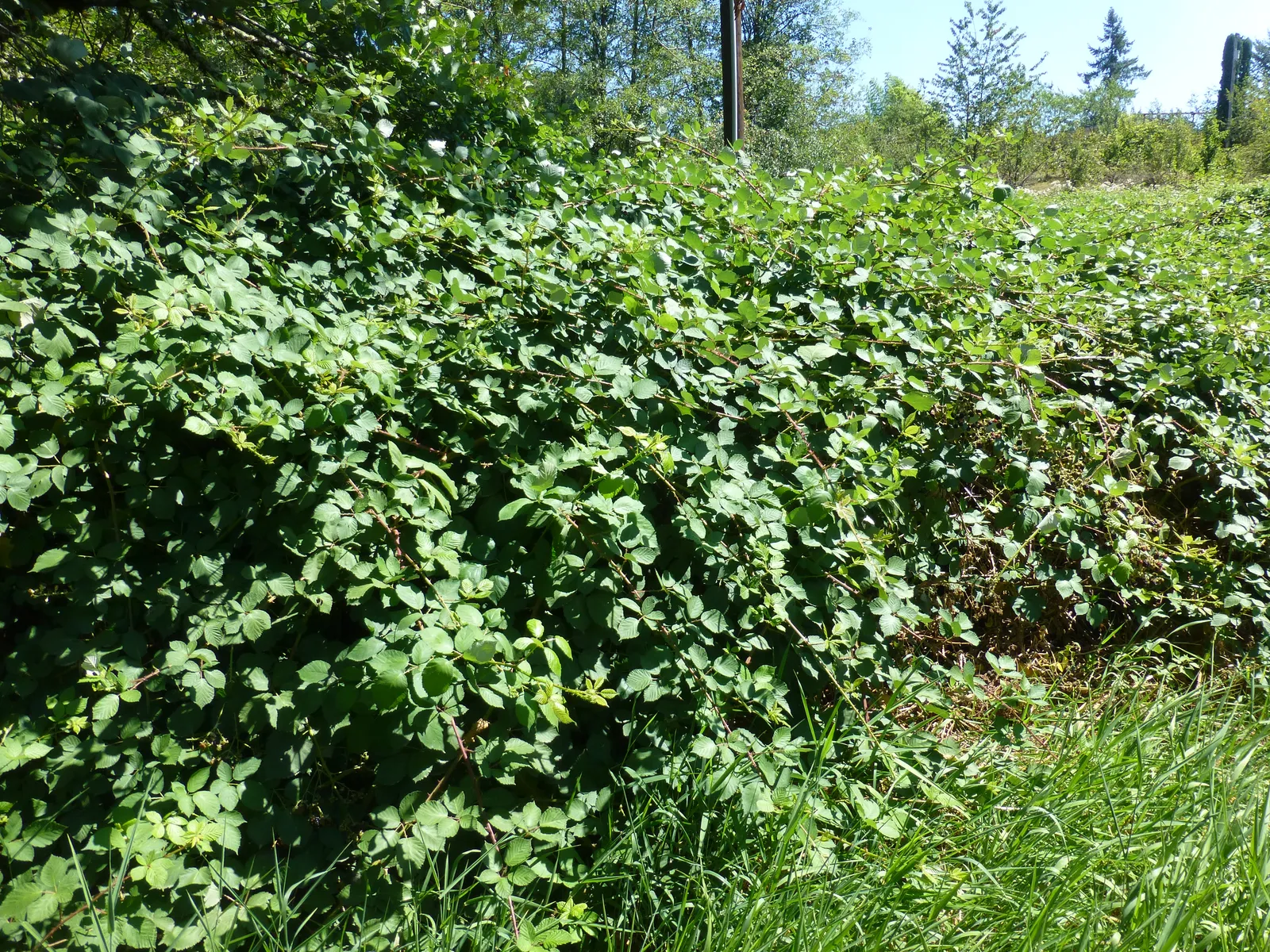
We clear Himalayan blackberry off fields, fence lines, yards and back acreage with mulcher heads. Blackberry regrows from its root crowns, so we plan the follow-up mowing with you.
Learn More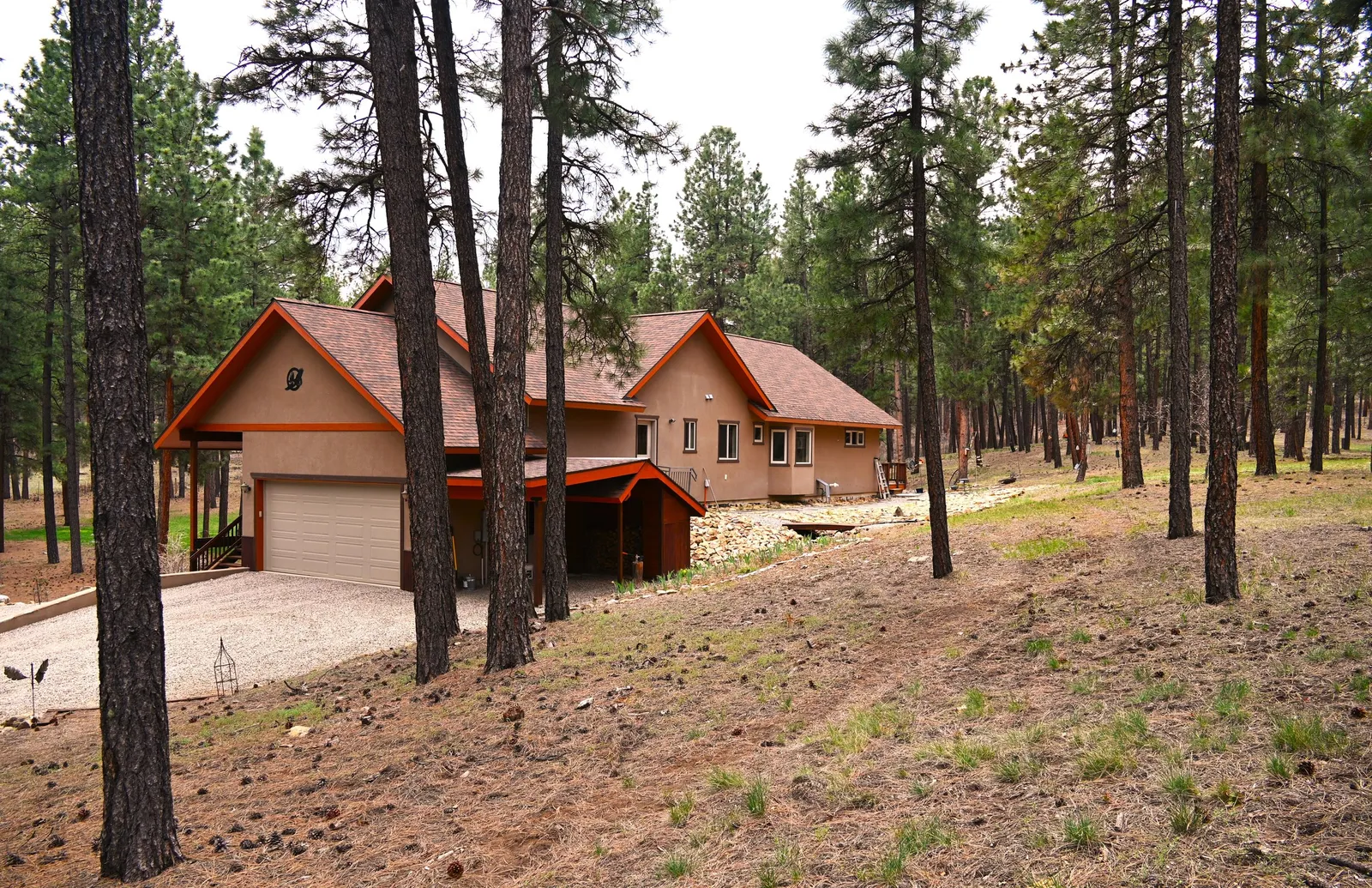
We clear brush, blackberry and small trees back from homes, shops and barns. Machine work across the mid-Willamette Valley, with free estimates.
Learn More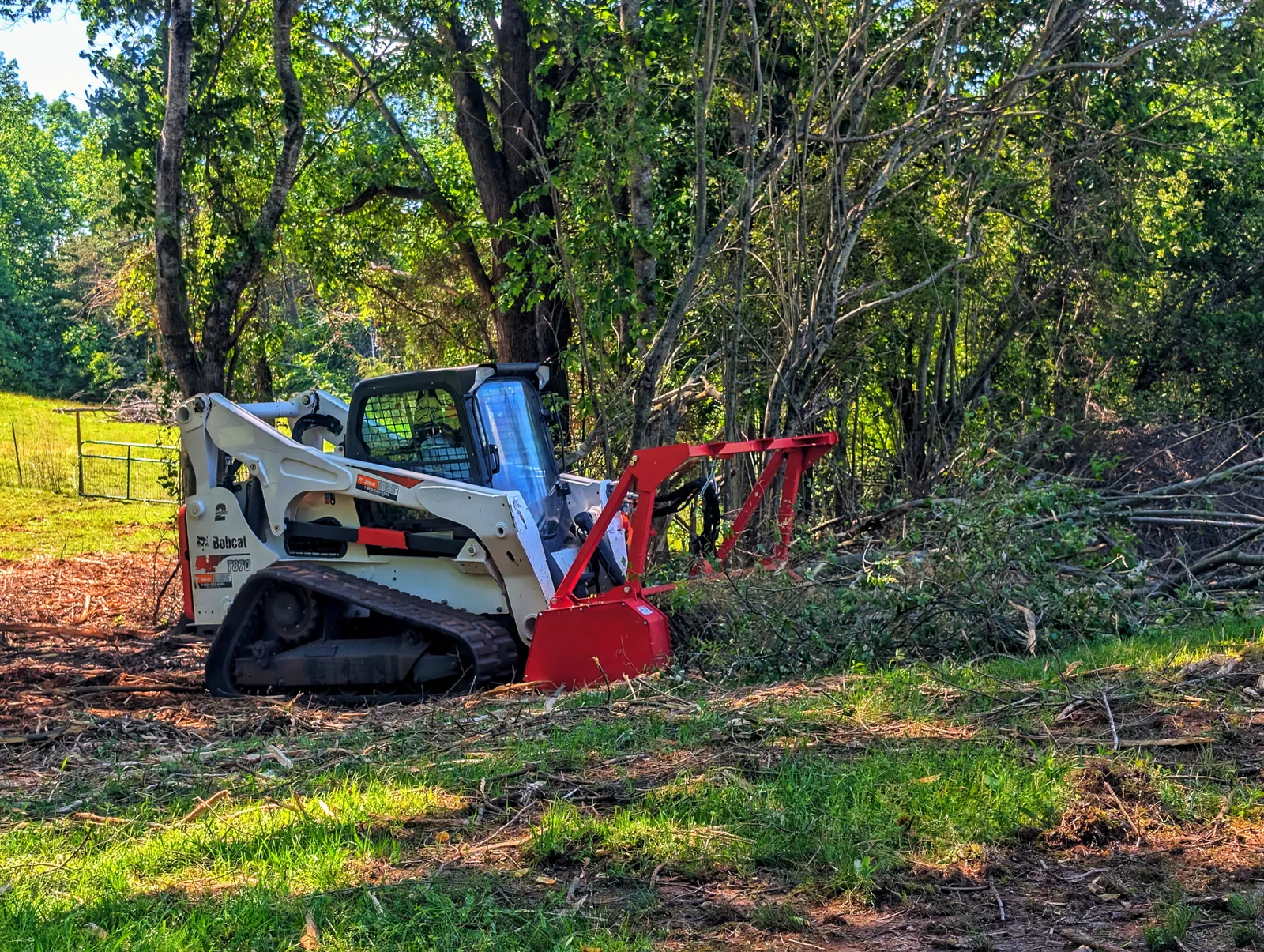
We clear thick brush, undergrowth and small trees off lots, field edges, fence lines and back acreage. The material gets mulched in place or raked into a pile.
Learn MoreOur Bobcat skid steer carries a forestry mulcher head and a heavy brush mower. The excavator adds a mulching head and a brush rake, so stumps and root balls come out as we go.
Estimates are free in Linn, Benton, Marion, Polk and Lane counties. Tell us where the property sits and what you want cleared, and we will come look at it.
The same machines cut the growth, mulch the material and smooth the cleared ground. One company covers the work from the first pass to the last look.
Reach us at (541) 936-4687 by call or by text. A few photos of the property help us size up the job before we drive out.
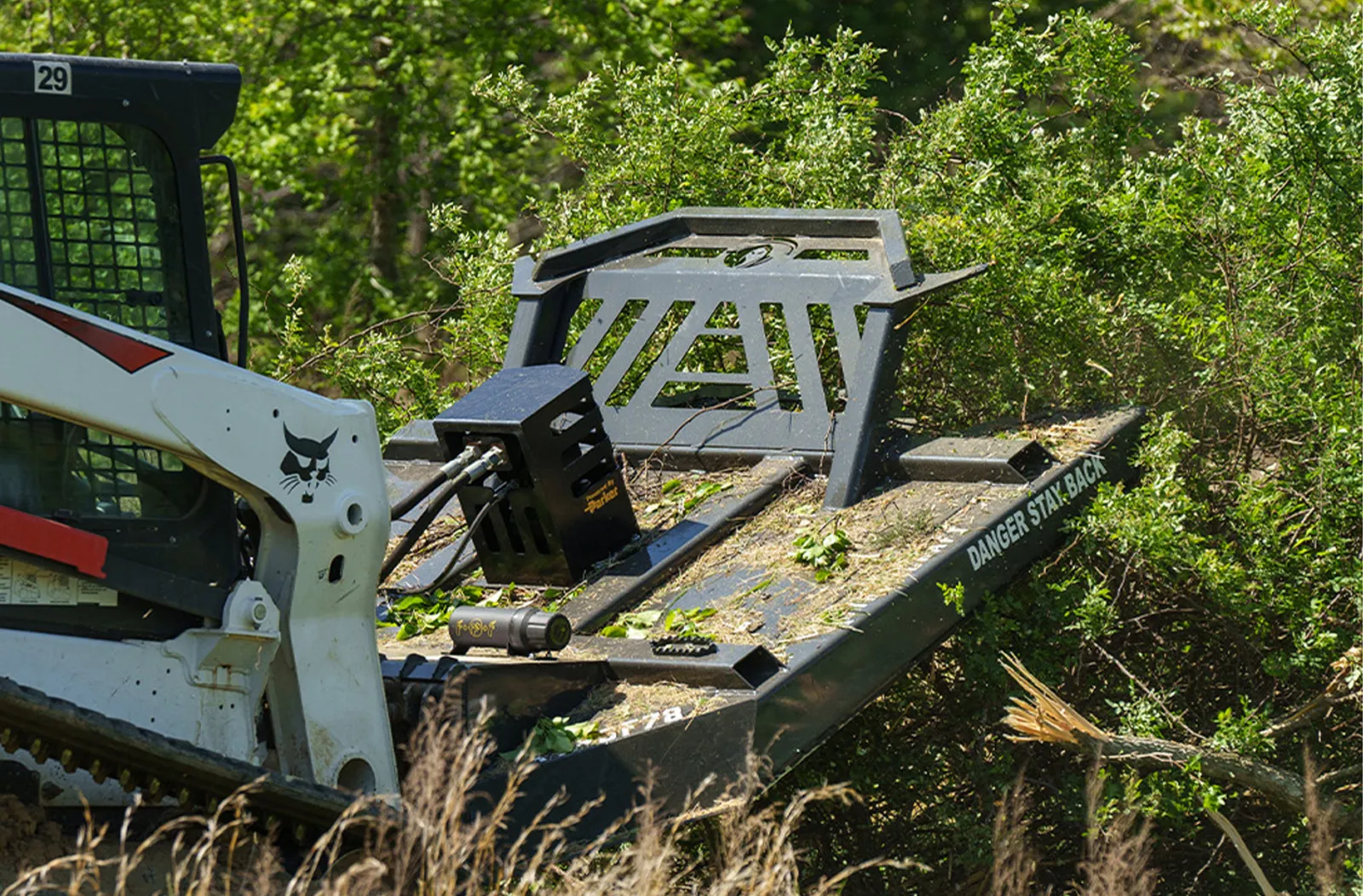
How much does brush hogging cost? Published per acre and per hour field mowing rates, what moves the price, and how Oregon fields get quoted.
Read more →Himalayan blackberry regrows from root crowns, so one cut never kills it. What works on Willamette Valley ground. Call or text (541) 936-4687.
Read more →Tell us where the property is and what you want cleared, and we will set up a look at it. You can also call or text (541) 936-4687.
Tell us about the job. We will get right back to you.