Brush Clearing
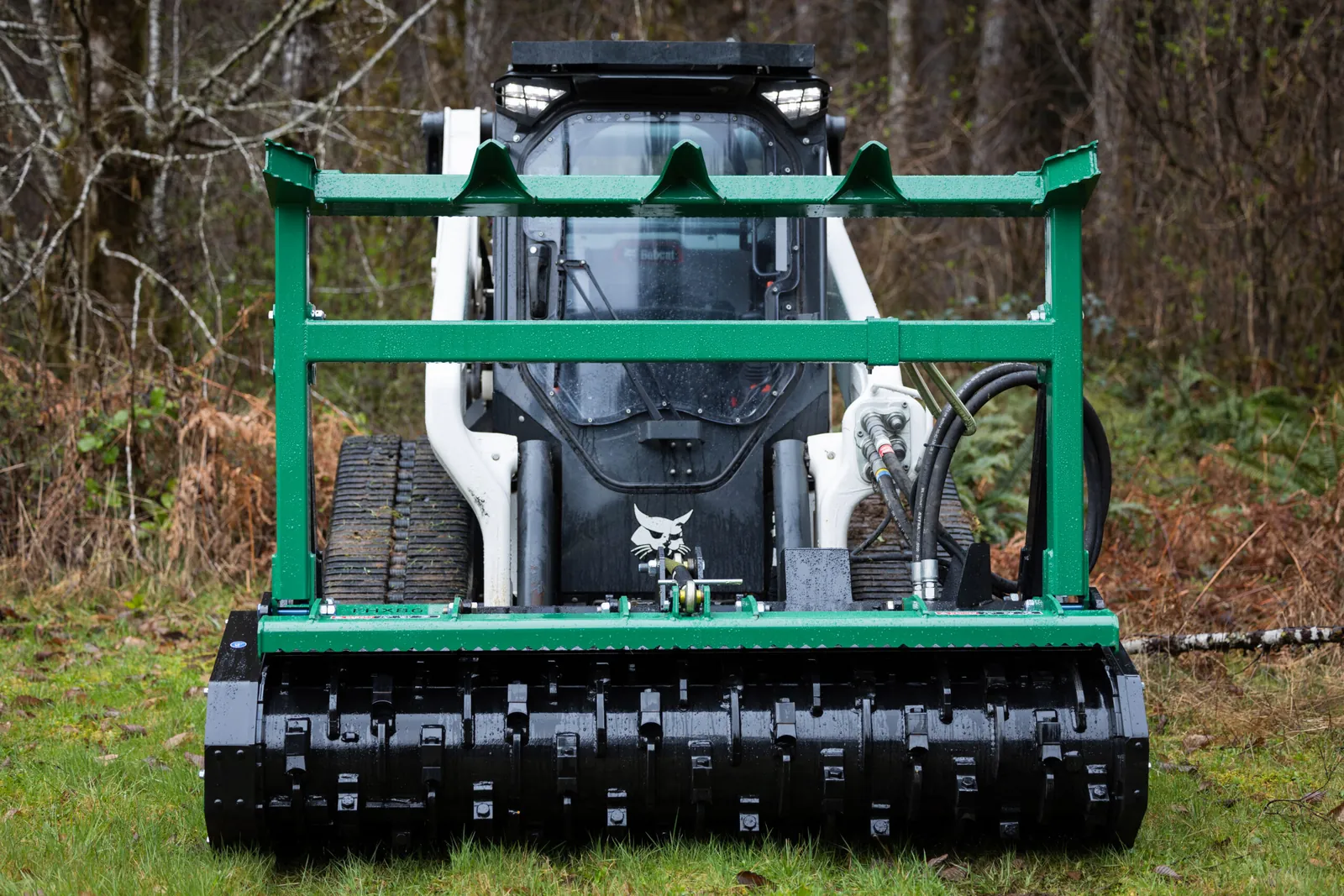
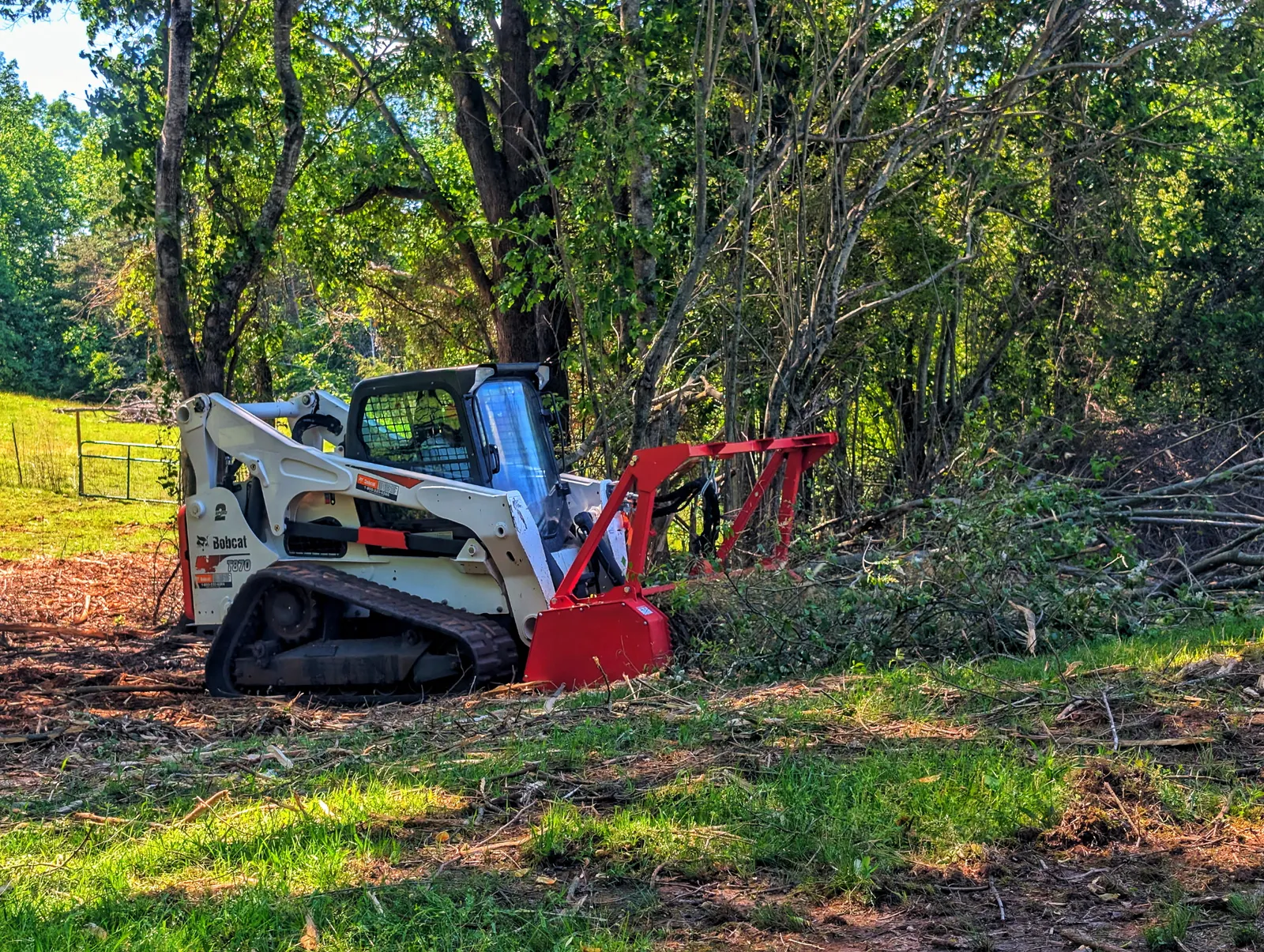
We clear thick brush, undergrowth and small trees off lots, field edges, fence lines and back acreage. The material gets mulched in place or raked into a pile.
Learn More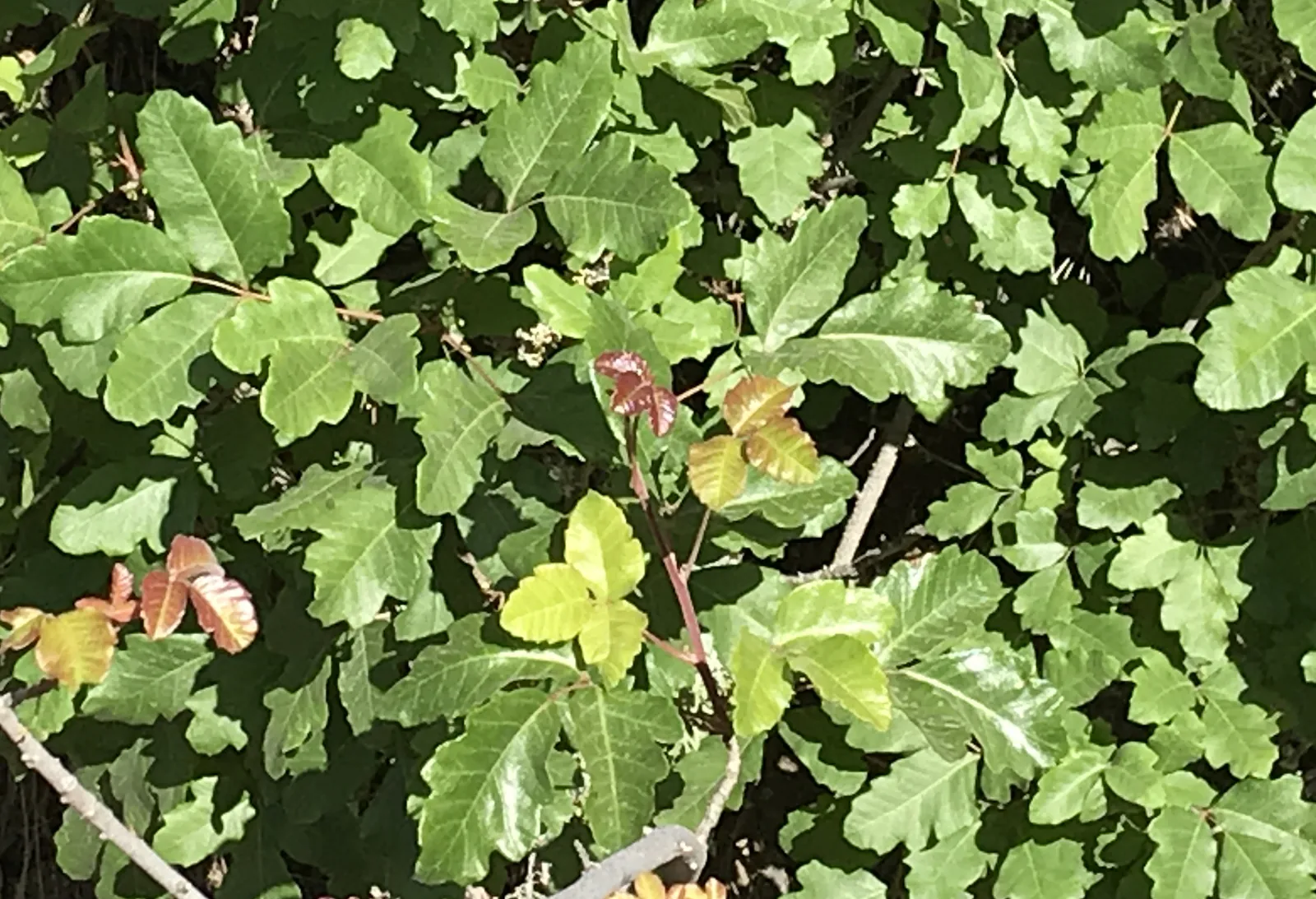
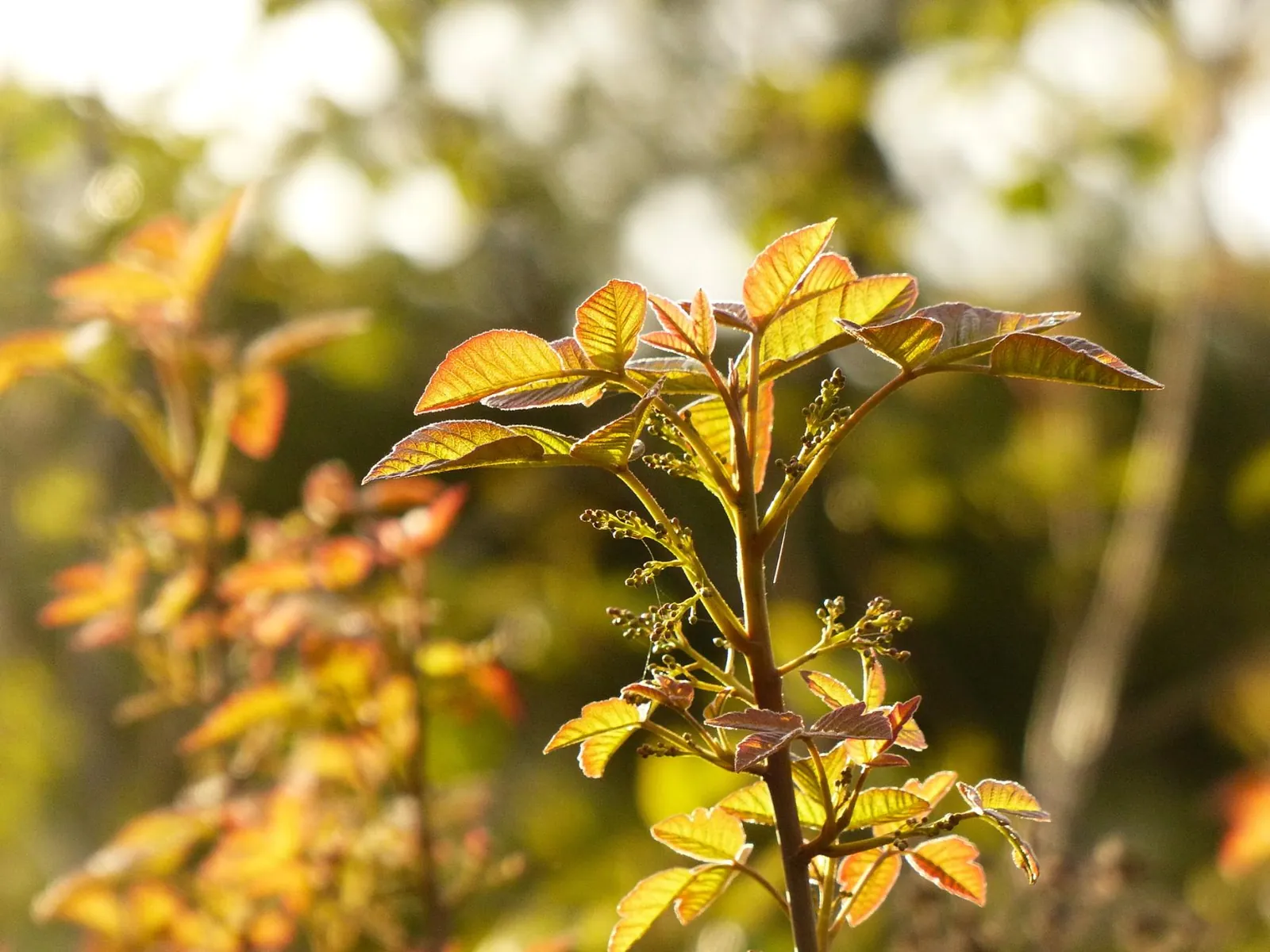
Poison oak removal on acreage is machine work. A forestry mulcher head cuts the brush and grinds it into chips where it stands. Then our excavator and brush rake dig out the root crowns when the soil allows. The machines keep people's hands and skin away from the plant.
Willamette Valley Land Clearing is based in Lebanon and works across the mid-Willamette Valley. We clear poison oak off rural acreage, wooded lots, hill pastures and fence lines. This work is one part of our brush clearing service, and the same machines handle full land clearing jobs. Estimates are free, so call or text (541) 936-4687.
Tell us about the job. We will get right back to you.
Pacific poison oak is native to the Pacific Northwest. Oregon State University Extension lists fencerows, hill pastures, open woodland and clear-cut forests among the places it grows. It grows on stream banks and in wetlands too. Work near a creek or wet ground gets planned with you before anything starts.
Forest Service research calls poison oak a climax species on south-facing Douglas-fir slopes in the Willamette Valley foothills. That means it stays as the forest matures. It grows as an upright shrub, a low shrub that hugs the ground, or a climbing vine.
The same brushy ground often carries Himalayan blackberry too. When it does, blackberry removal can run on the same visit. We look at the whole mix and price it on one free estimate.
The first pass is the same forestry mulching our skid steer runs on overgrown acreage. Our excavator carries a mulching head too, for fence lines and wooded edges. Vines on a tree get cut at the base from the ground, as an OSU Extension guide advises.
OSU Extension says the roots can be dug out of small areas when the soil is moist and loose. It warns against grubbing dry or rocky soil, because the roots break and sprout again from the pieces. So we dig out root crowns with the excavator and brush rake while the ground is moist. On dry ground, the mulching can go first and the root work can wait for softer soil.
Poison oak in the brush around a house is fire fuel too. Cutting that brush back is defensible space clearing, and the two jobs often run together. A small bed right against the house or inside a garden may not be machine work. When that is the case, we say so on the estimate.
Poison oak comes back from whatever root stays in the ground. OSU Extension says it will readily resprout if mowed or cut. Forest Service research says it sprouts from the root crown and underground runners after the top growth comes off.
OSU Extension says mowing alone does little to the roots unless it is repeated often. That is why we plan follow-up passes on the resprouts with you. Our skid steer runs a heavy brush mower, and the mulcher head takes woodier regrowth.
Goats and sheep will browse poison oak, but OSU Extension says the plants come back. Animals that move through it can carry the oil to the people who handle them. Pets that run across freshly cleared ground can pick it up the same way.
From the first call or text to the final look at the cleared ground, here is how it goes.
Tell us where the property is and what you want cleared. Rough acreage and a couple of photos give us a good start.
We come out, look over the ground and talk through the scope with you. Then you get a free estimate for that scope of work.
Before the machines move, we sort out access and timing. Oregon law typically calls for an 811 utility locate ahead of ground-disturbing work. In summer, Oregon Department of Forestry fire season rules can limit power equipment hours. We plan the job around whatever applies to your property.
The mulcher head grinds brush and small trees into chips in place. The brush rake pulls stumps and root balls where the ground has to come clean.
We spread the chips out and smooth the cleared ground where it needs it. Then we go over the finished work with you before we load up.
Common questions about poison oak removal across the mid-Willamette Valley. If yours is not here, call or text and ask.
We clear thick brush, undergrowth and small trees off lots, field edges, fence lines and back acreage. The material gets mulched in place or raked into a pile.
Learn More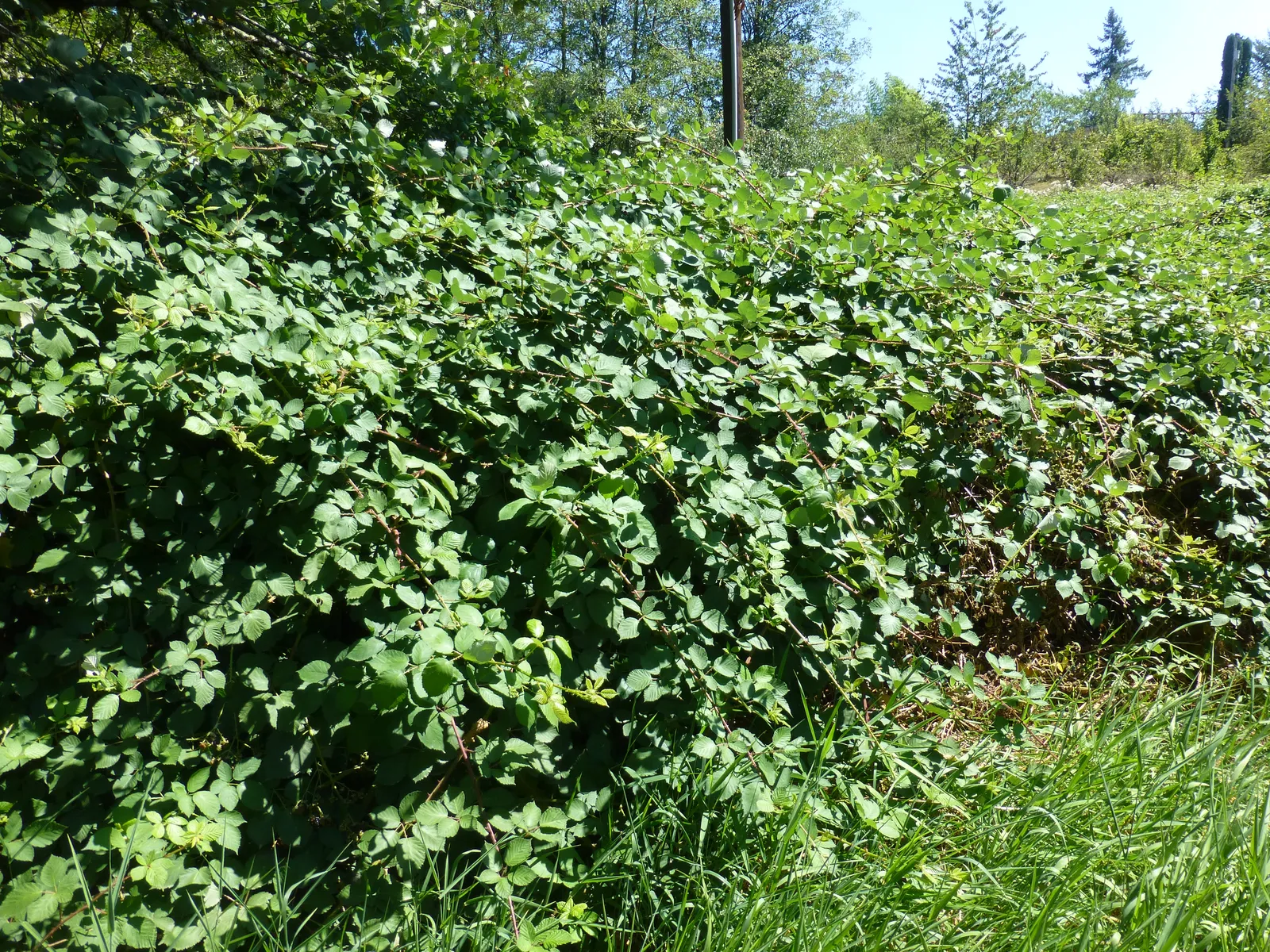
We clear Himalayan blackberry off fields, fence lines, yards and back acreage with mulcher heads. Blackberry regrows from its root crowns, so we plan the follow-up mowing with you.
Learn More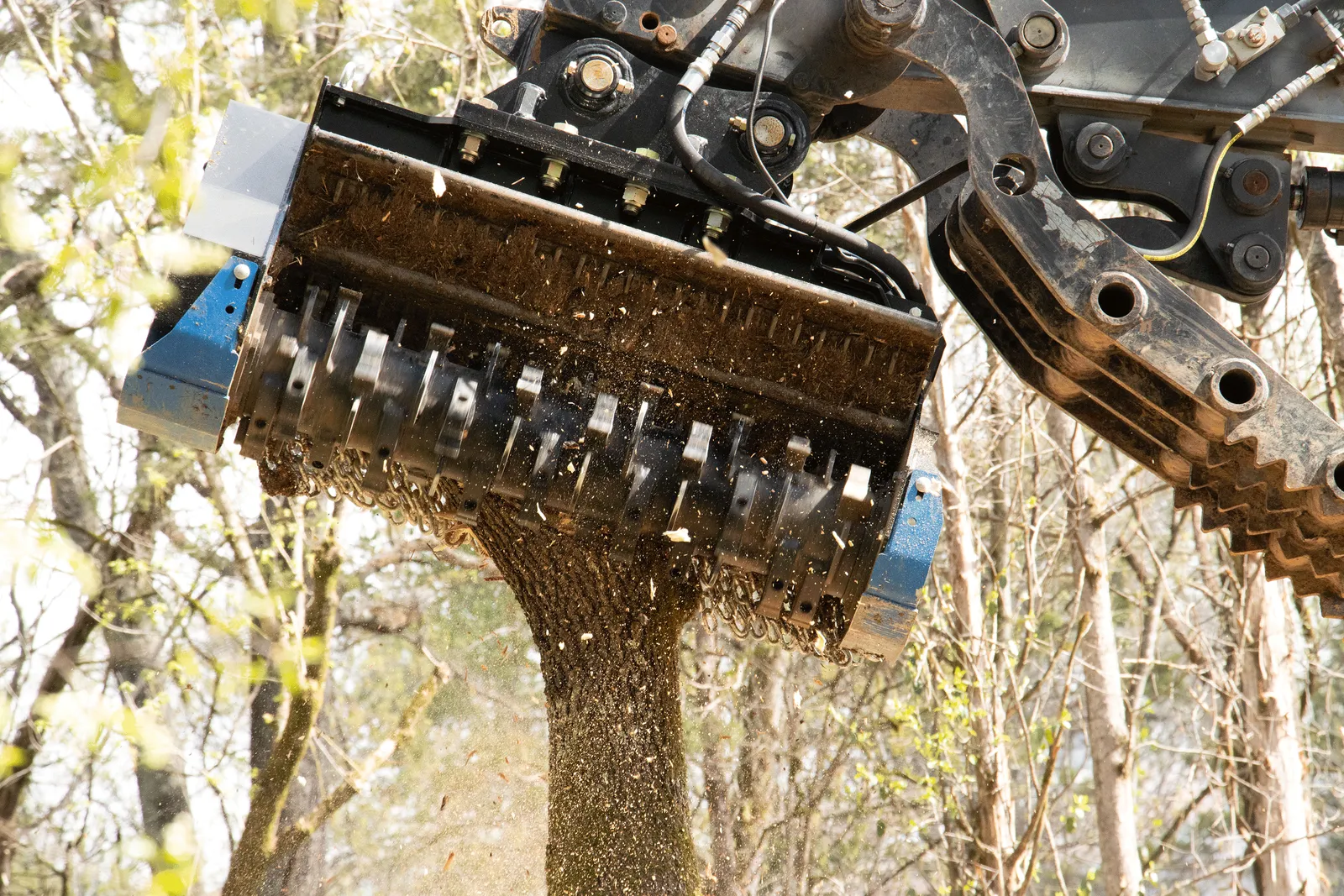
A mulcher head grinds brush and small trees into chips in one pass. You get the ground back under a layer of chips.
Learn MoreOur Bobcat skid steer carries a forestry mulcher head and a heavy brush mower. The excavator adds a mulching head and a brush rake, so stumps and root balls come out as we go.
Estimates are free in Linn, Benton, Marion, Polk and Lane counties. Tell us where the property sits and what you want cleared, and we will come look at it.
The same machines cut the growth, mulch the material and smooth the cleared ground. One company covers the work from the first pass to the last look.
Reach us at (541) 936-4687 by call or by text. A few photos of the property help us size up the job before we drive out.
Tell us where the property is and what you want cleared, and we will set up a look at it. You can also call or text (541) 936-4687.
Tell us about the job. We will get right back to you.