Driveway Grading
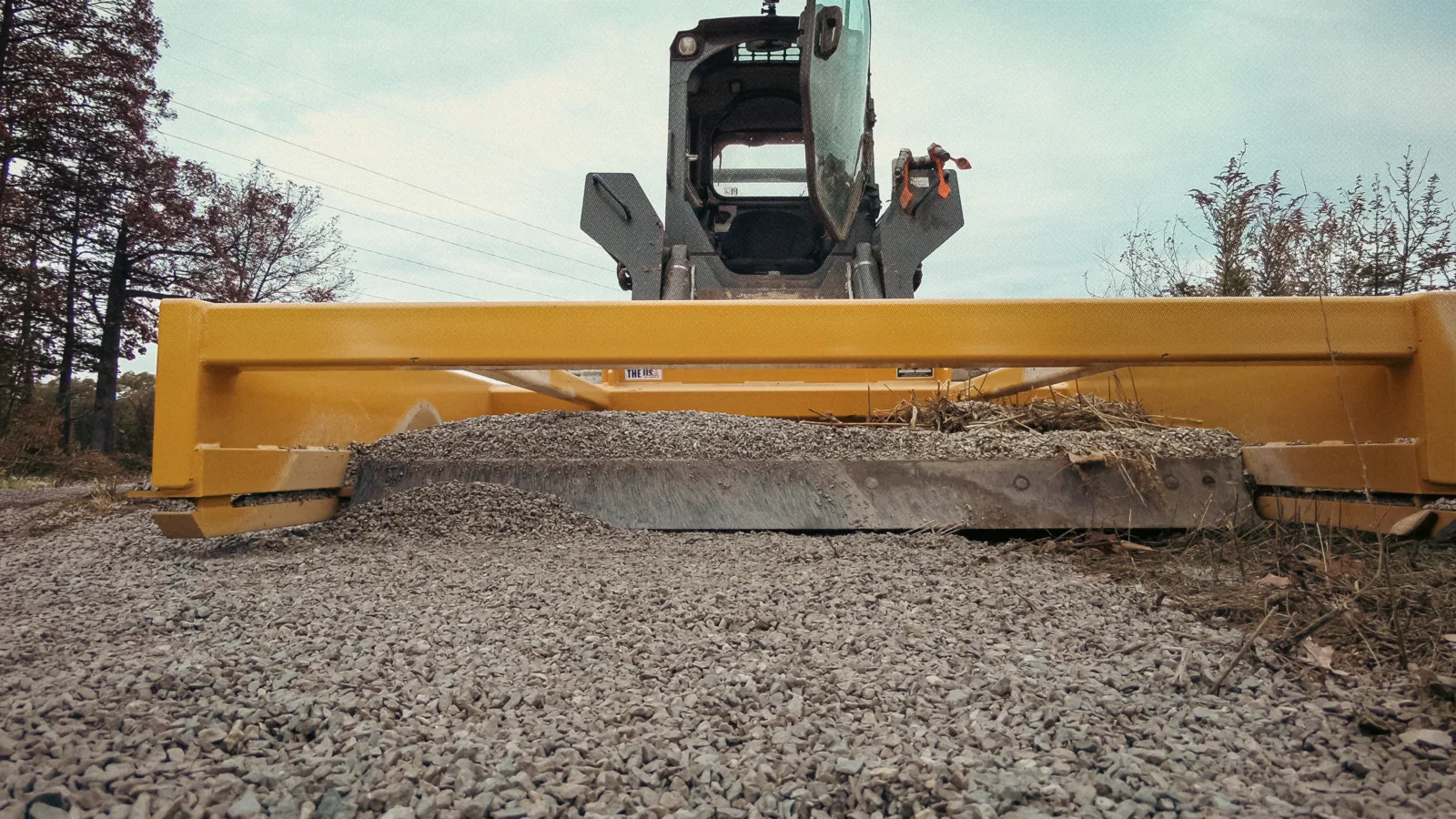
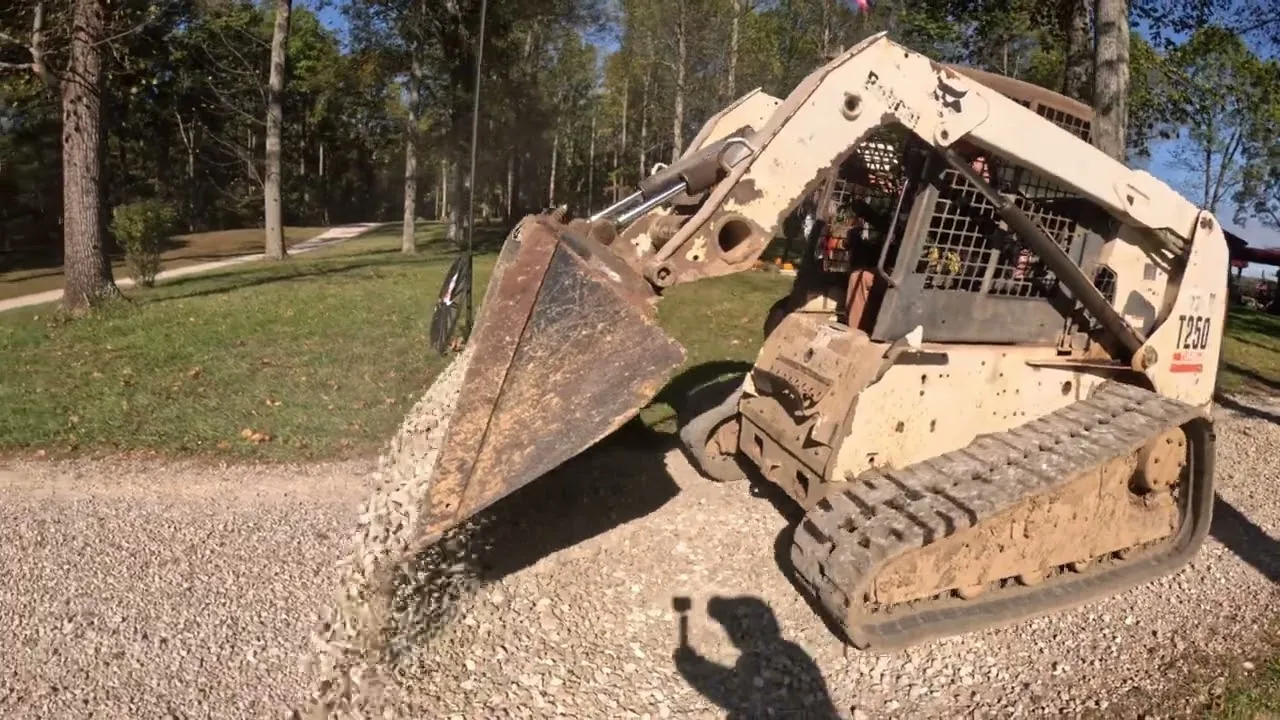
We regrade gravel driveways and farm lanes and put the crown back so water runs off. You order any new rock from a quarry, and we spread and grade it.
Learn More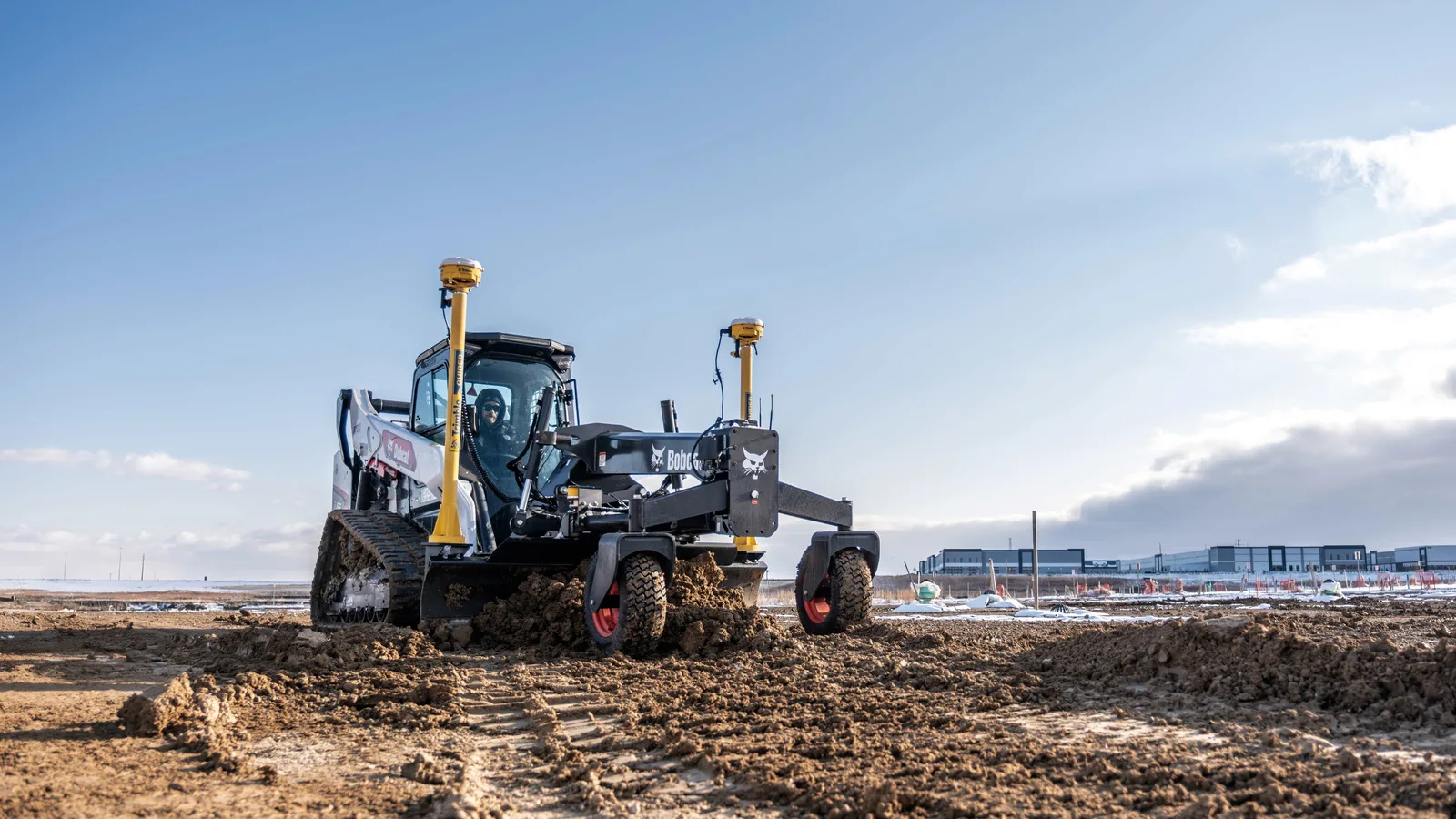
Excavation and grading is the dirt work that comes after the brush is gone. Cleared ground rarely sits flat. It sits in windrows, old stump holes and low spots that hold water. We shape that ground into a pad, a lane or a field edge you can use. Most of this work is on rural acreage around Lebanon and across the mid-Willamette Valley.
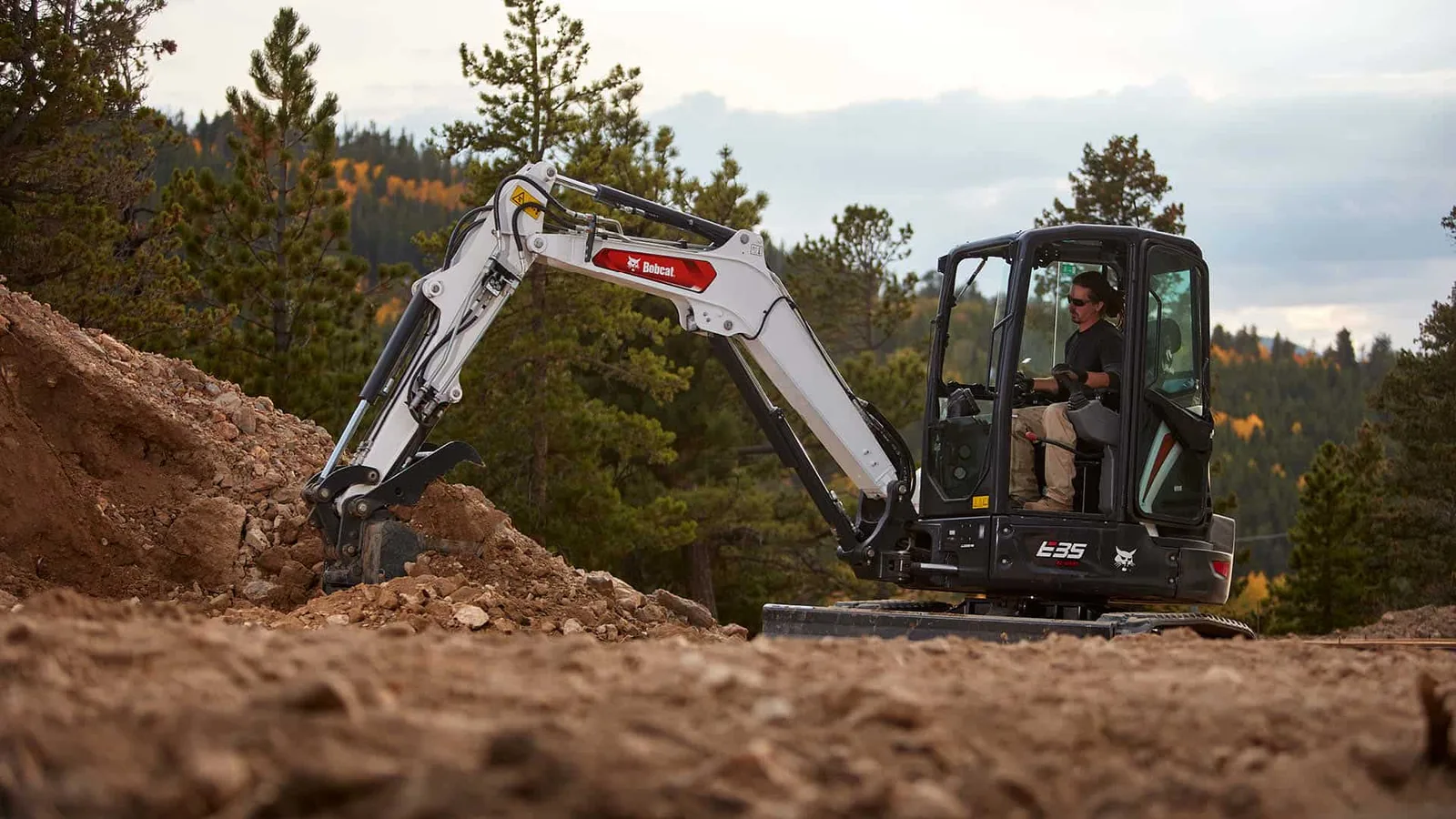
The same machines that clear a property do the grading. Our excavator moves dirt with a bucket and pulls stumps and root balls with the brush rake. Our Bobcat skid steer spreads and smooths with a bucket. One company can take a parcel from land clearing through to shaped ground. Estimates are free, so call or text (541) 936-4687.
Tell us about the job. We will get right back to you.
A cleared homesite is open, but it is not level yet. We cut a rough bench where the house or the shop will sit. Old stump holes get filled and packed with dirt from the site. The access up to the pad gets shaped on the same trip.
From there the build takes over. Your builder's excavation crew or the project engineer sets the final pad elevations, the footings and any compaction testing. Handing them a rough pad on open ground saves their machine time.
Clearing comes first on most of these parcels, and that is our lot clearing work. Before any digging starts, a utility locate gets called in. Oregon's dig law typically asks you to wait two business days before you break ground. The request costs nothing, and we plan the schedule around it.
A gravel drive wears flat, and then it starts to hold water. Ruts deepen, potholes spread, and winter rain carries the surface off into the ditch. We regrade the drive, put the crown back in the middle and smooth the surface so water sheds off. Our gravel driveway regrading page covers that work in full.
The material we shape is the material already on the place. If the drive needs more rock or dirt, you have it delivered and we spread it where it goes. Buying and trucking the load is a separate trade.
A new drive works the same way once the line is open. Brush and blackberry come off the route first, which is our overgrown driveway and road clearing. Then we grade the line so it drains and carries a loaded truck.
Dirt work on acreage is cut and fill. We knock down old berms and push piles, fill low spots and level a rough pasture edge. Stumps and root balls come out with the excavator. The material moves across your property instead of off it.
Timing matters on valley ground. Clay settled across parts of this valley after the ice age floods. OSU Extension puts it simply: clay hardens when dry and turns sticky and heavy when wet. West of the Cascades, about half the year's rain falls from December through February. Grading goes best on firm ground, so we aim the work at the drier stretch.
Wet ground is its own question. Oregon's removal-fill law typically calls for a state permit above 50 cubic yards of material moved in wetlands or waters. Grading counts as moving material. Work near a creek, a pond edge or a wet swale gets scoped with you first.
From the first call or text to the final look at the cleared ground, here is how it goes.
Tell us where the property is and what you want cleared. Rough acreage and a couple of photos give us a good start.
We come out, look over the ground and talk through the scope with you. Then you get a free estimate for that scope of work.
Before the machines move, we sort out access and timing. Oregon law typically calls for an 811 utility locate ahead of ground-disturbing work. In summer, Oregon Department of Forestry fire season rules can limit power equipment hours. We plan the job around whatever applies to your property.
The mulcher head grinds brush and small trees into chips in place. The brush rake pulls stumps and root balls where the ground has to come clean.
We spread the chips out and smooth the cleared ground where it needs it. Then we go over the finished work with you before we load up.
Common questions about excavation and grading across the mid-Willamette Valley. If yours is not here, call or text and ask.
We regrade gravel driveways and farm lanes and put the crown back so water runs off. You order any new rock from a quarry, and we spread and grade it.
Learn More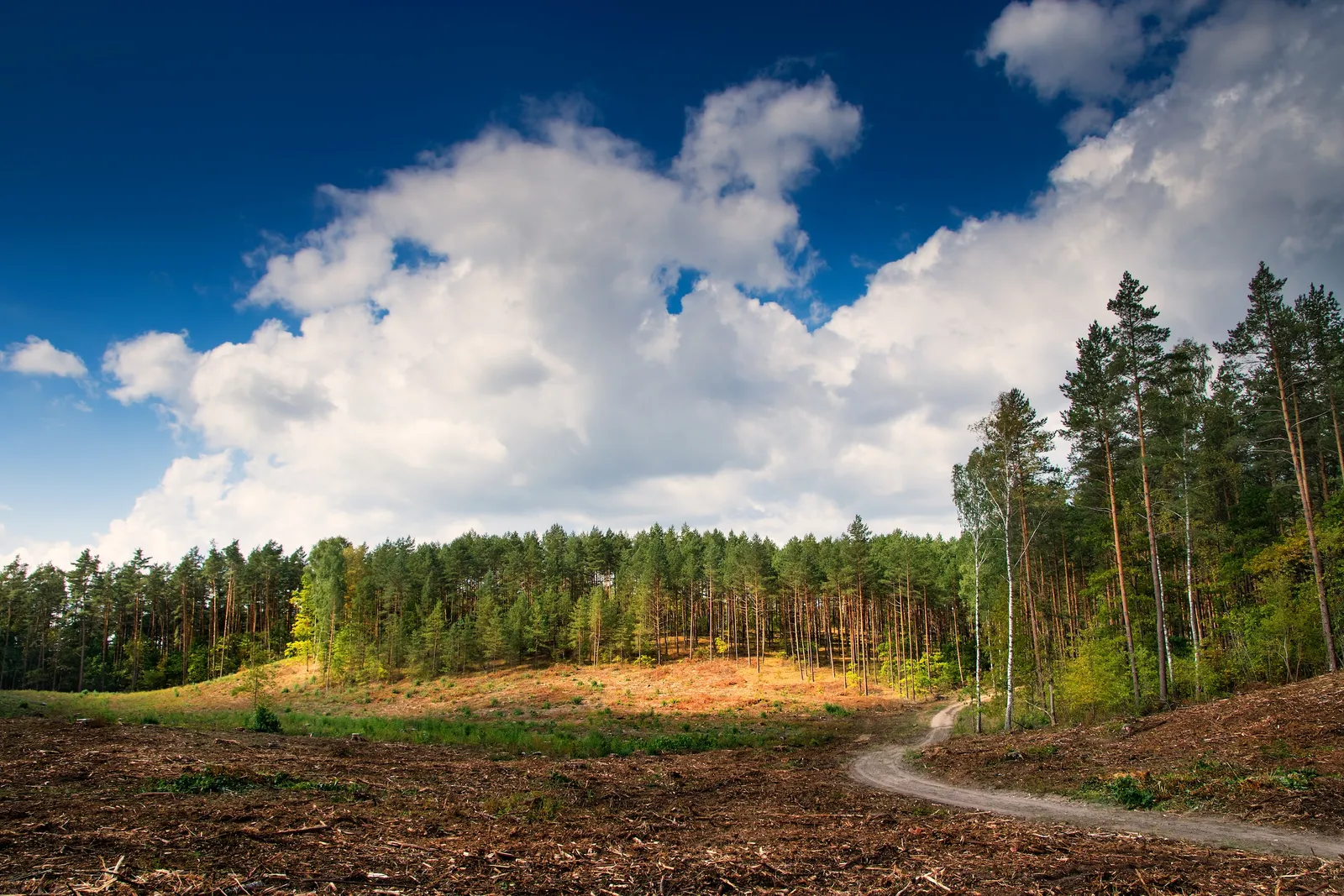
We clear homesites and building lots before construction starts. Brush, small trees and stumps come off the footprint and the access.
Learn More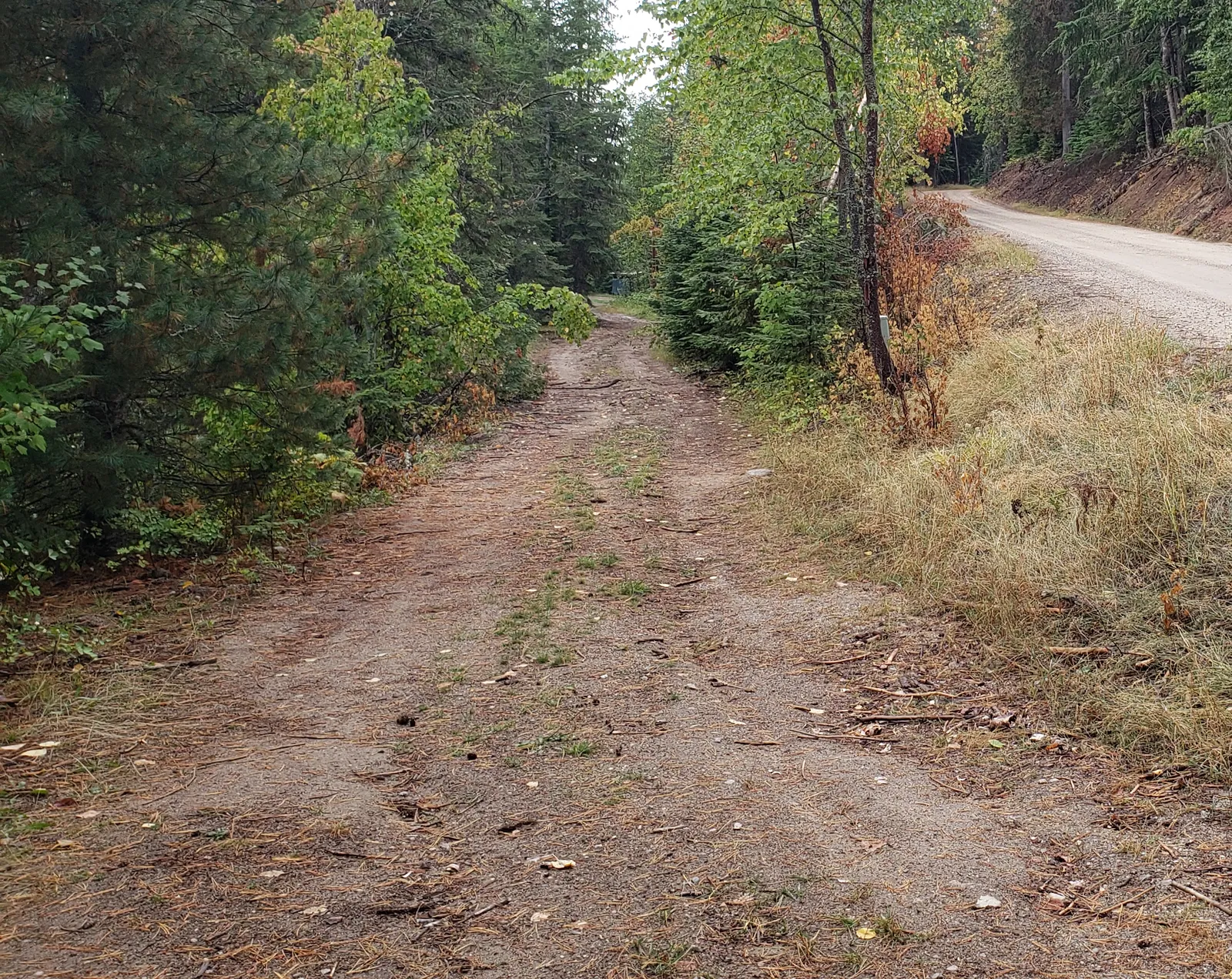
Driveways, farm lanes and access roads that brush has closed in, opened back up. We cut the edges and the overhead, then mulch what comes off.
Learn MoreOur Bobcat skid steer carries a forestry mulcher head and a heavy brush mower. The excavator adds a mulching head and a brush rake, so stumps and root balls come out as we go.
Estimates are free in Linn, Benton, Marion, Polk and Lane counties. Tell us where the property sits and what you want cleared, and we will come look at it.
The same machines cut the growth, mulch the material and smooth the cleared ground. One company covers the work from the first pass to the last look.
Reach us at (541) 936-4687 by call or by text. A few photos of the property help us size up the job before we drive out.
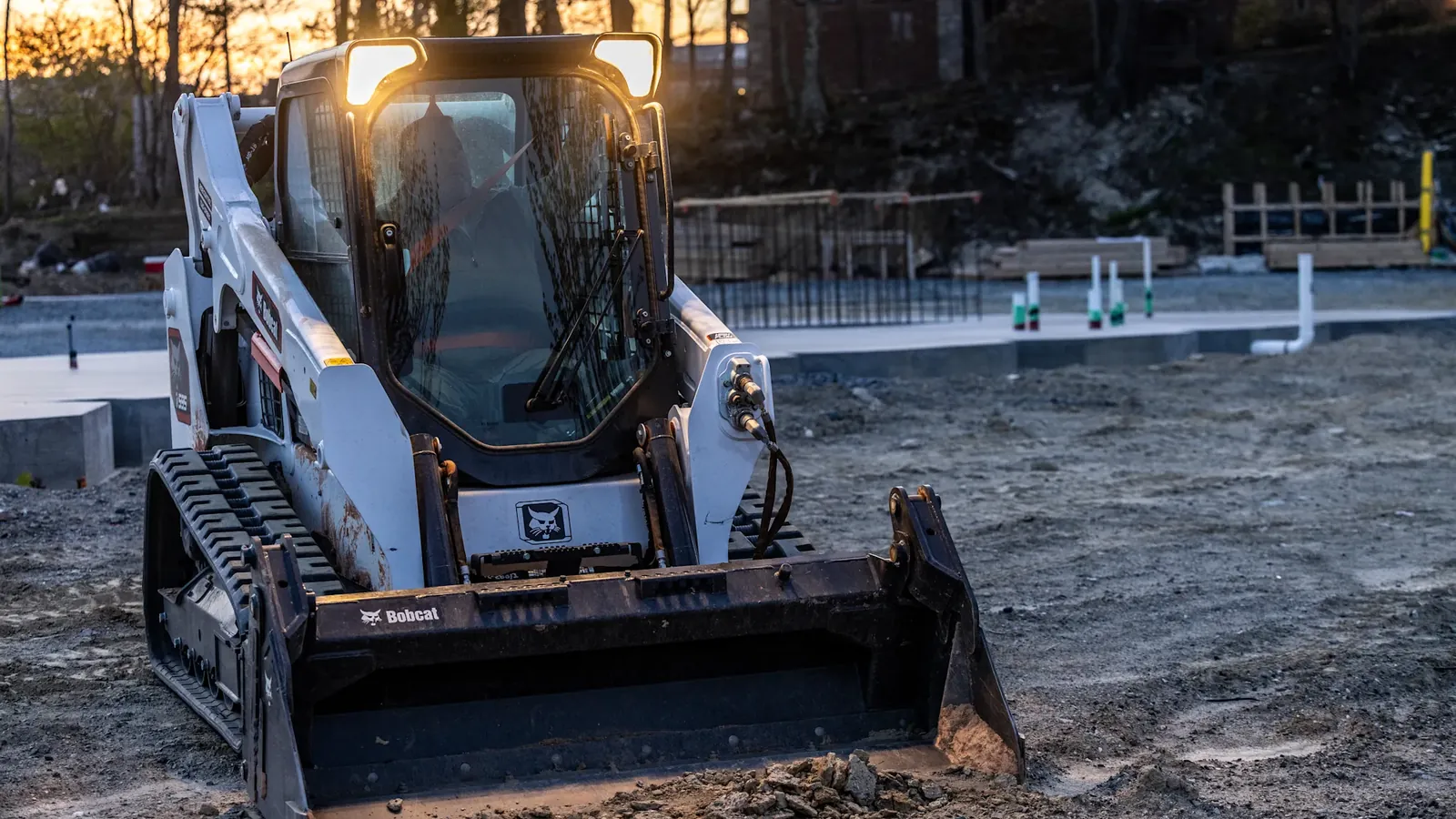
Land grading costs $500 to $5,000 on average, per a national cost guide. See rough vs finish grading rates, per-acre ranges and what moves the price.
Read more →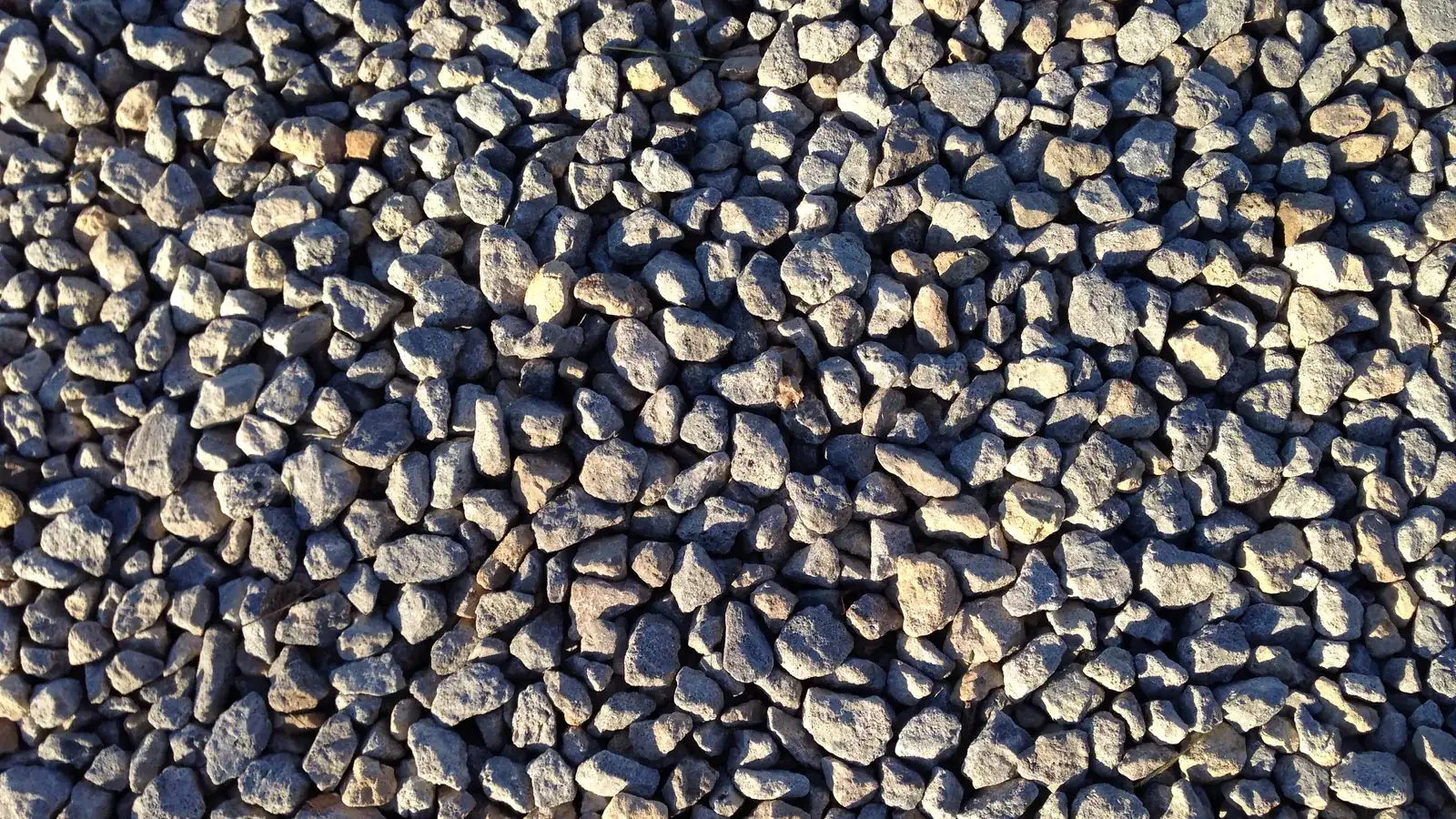
How much does driveway grading cost? A national cost guide puts it at $700 to $2,500 on average. See what moves the price and what the rock adds on top.
Read more →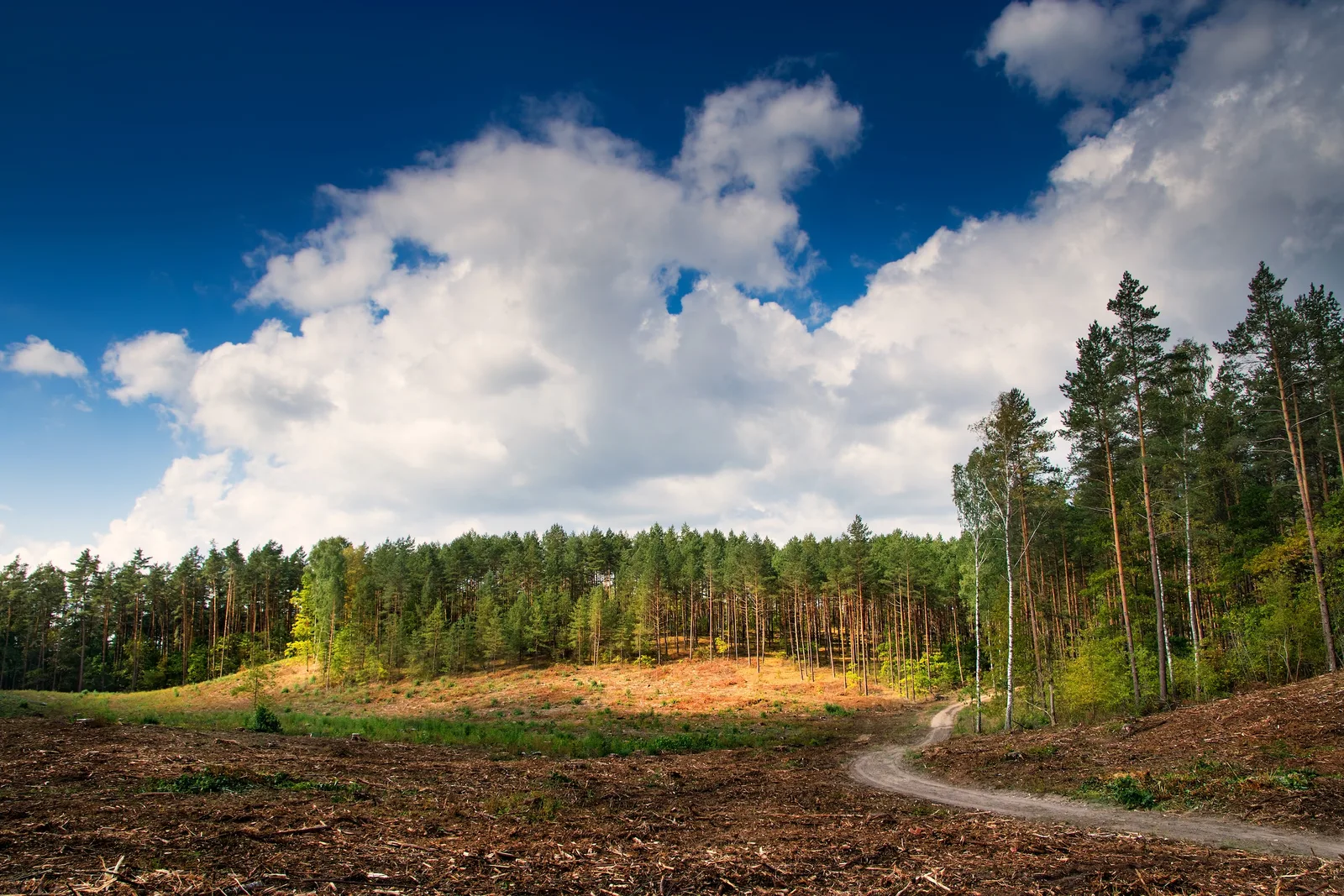
Oregon has no single land clearing permit. What you need turns on forestland, wetlands, city limits, burning and digging. A guide for valley owners.
Read more →Tell us where the property is and what you want cleared, and we will set up a look at it. You can also call or text (541) 936-4687.
Tell us about the job. We will get right back to you.