Excavation and Grading
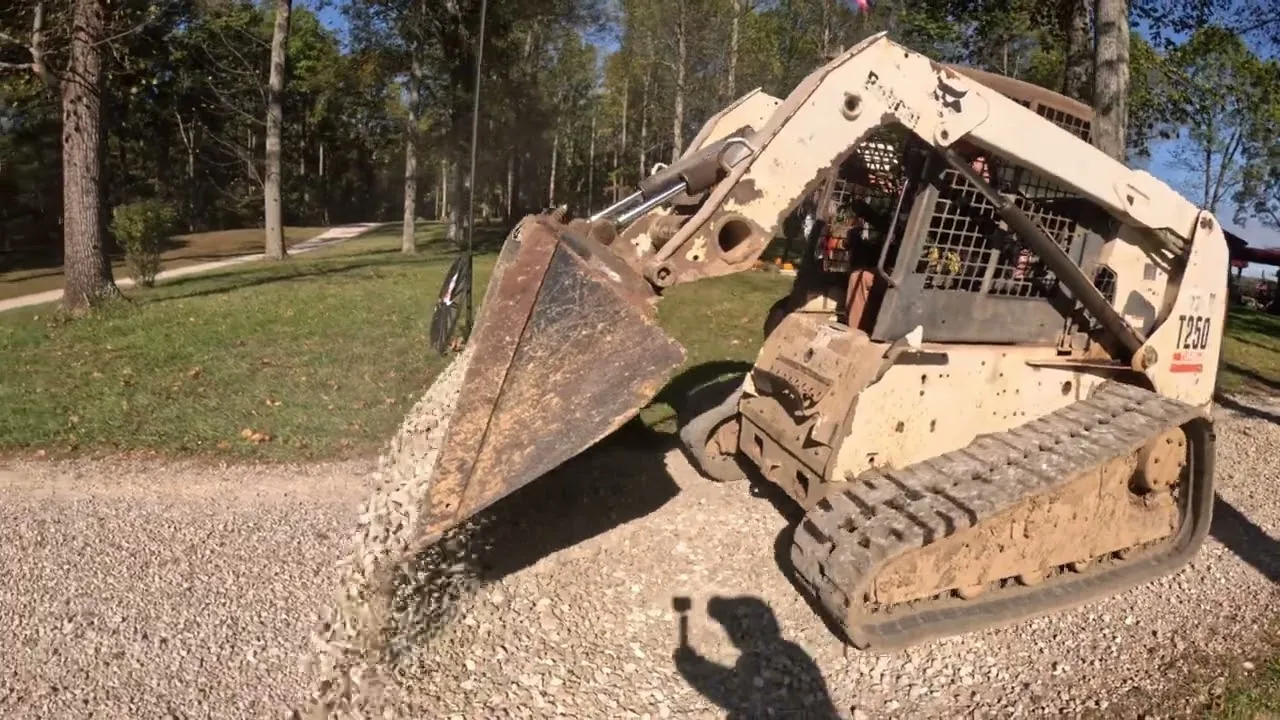
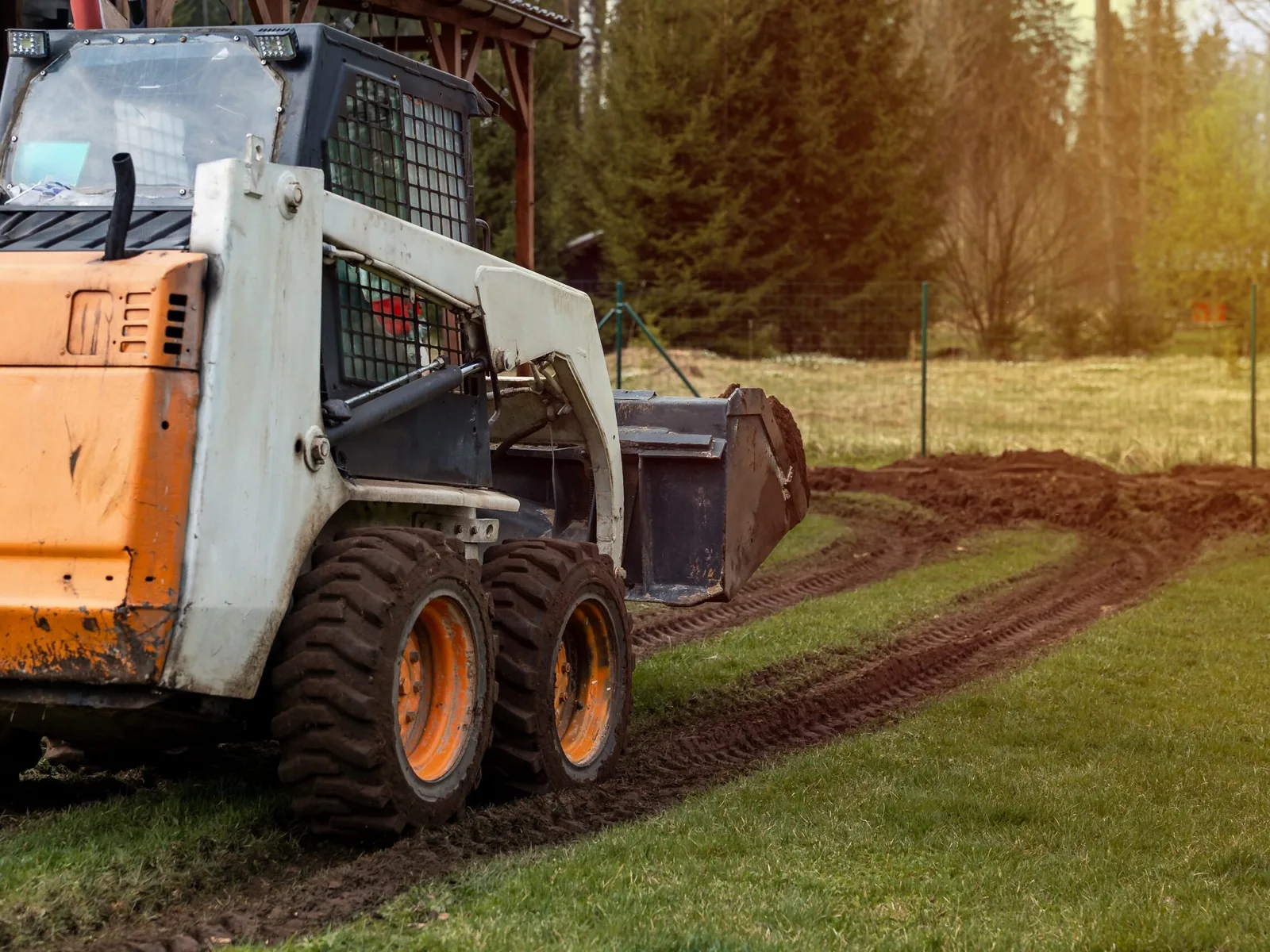
We rough grade cleared ground, building pads and gravel driveways. The same machines that clear a property handle the dirt work.
Learn More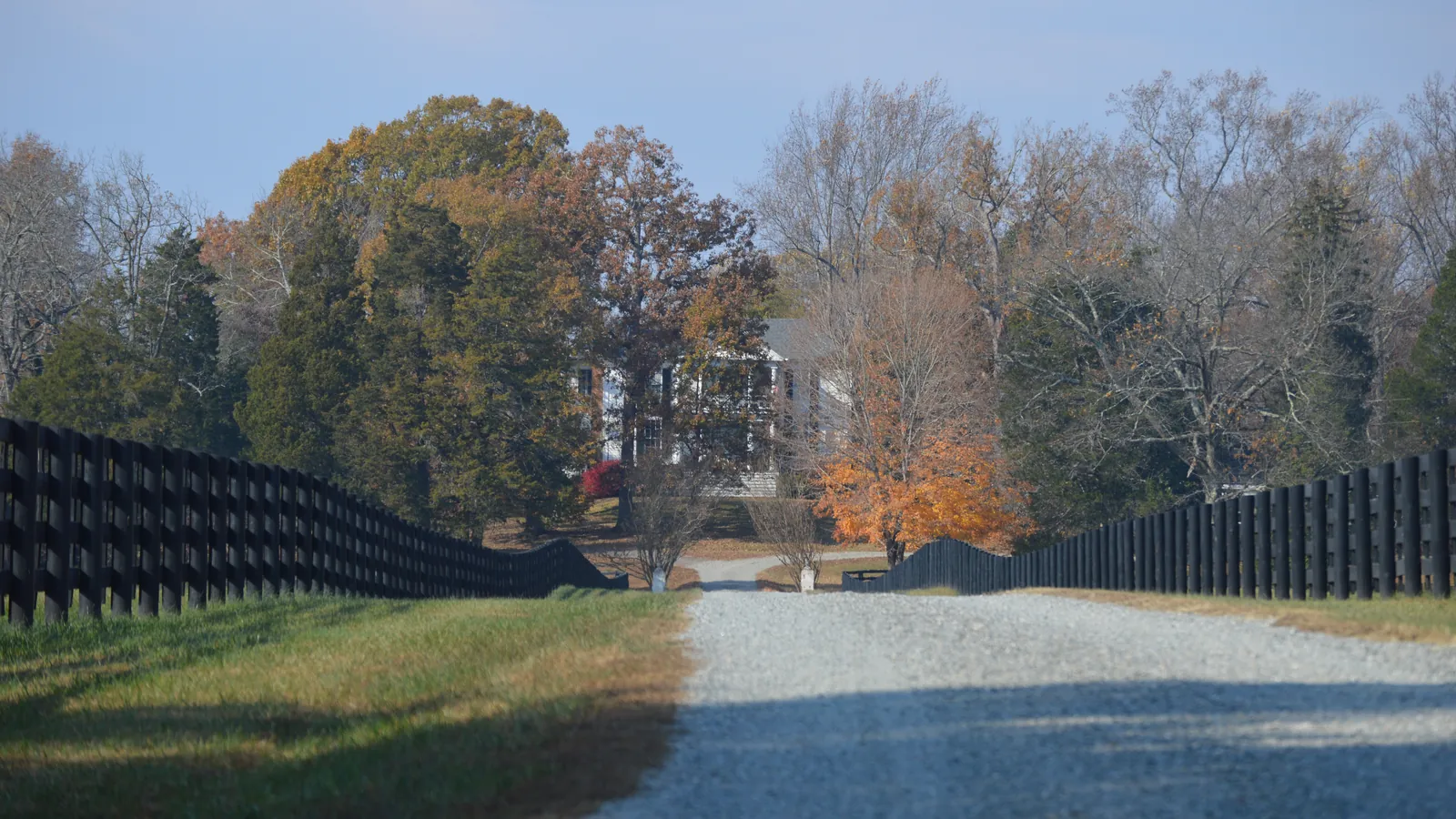
Driveway grading puts a worn gravel drive back into shape. Traffic pushes the rock off to the edges, and long wet spells leave potholes and ruts. We cut the high spots, work that rock into the holes and put the crown back so water runs off. We grade gravel driveways, farm lanes and private access roads across the mid-Willamette Valley from our base in Lebanon.
When brush has closed a drive in, we clear it first and grade it in the same job. That first step is our overgrown driveway clearing work. Our Bobcat skid steer and our excavator handle both parts. Estimates are free, so call or text (541) 936-4687.
Tell us about the job. We will get right back to you.
A gravel drive wears two ways here, one for each season. Summers around Lebanon are warm and dry, and the wet season fills the rest of the year. The Federal Highway Administration's guide to gravel roads says they can easily rut or form potholes in long wet spells. In dry weather, traffic pushes gravel off to the shoulders, and a lack of moisture brings on washboard.
A drive with no crown holds water on top, and that water can lead to rutting. The rock pushed aside also builds a ridge along each edge, which keeps water from draining off. On level ground, that water collects at the edge and seeps into the ground below. The whole drive can go soft.
Lebanon sits on the eastern edge of the Willamette Valley, close to the Cascade Range. On a sloped foothill drive, water runs downhill along that ridge and can wash away a large amount of gravel.
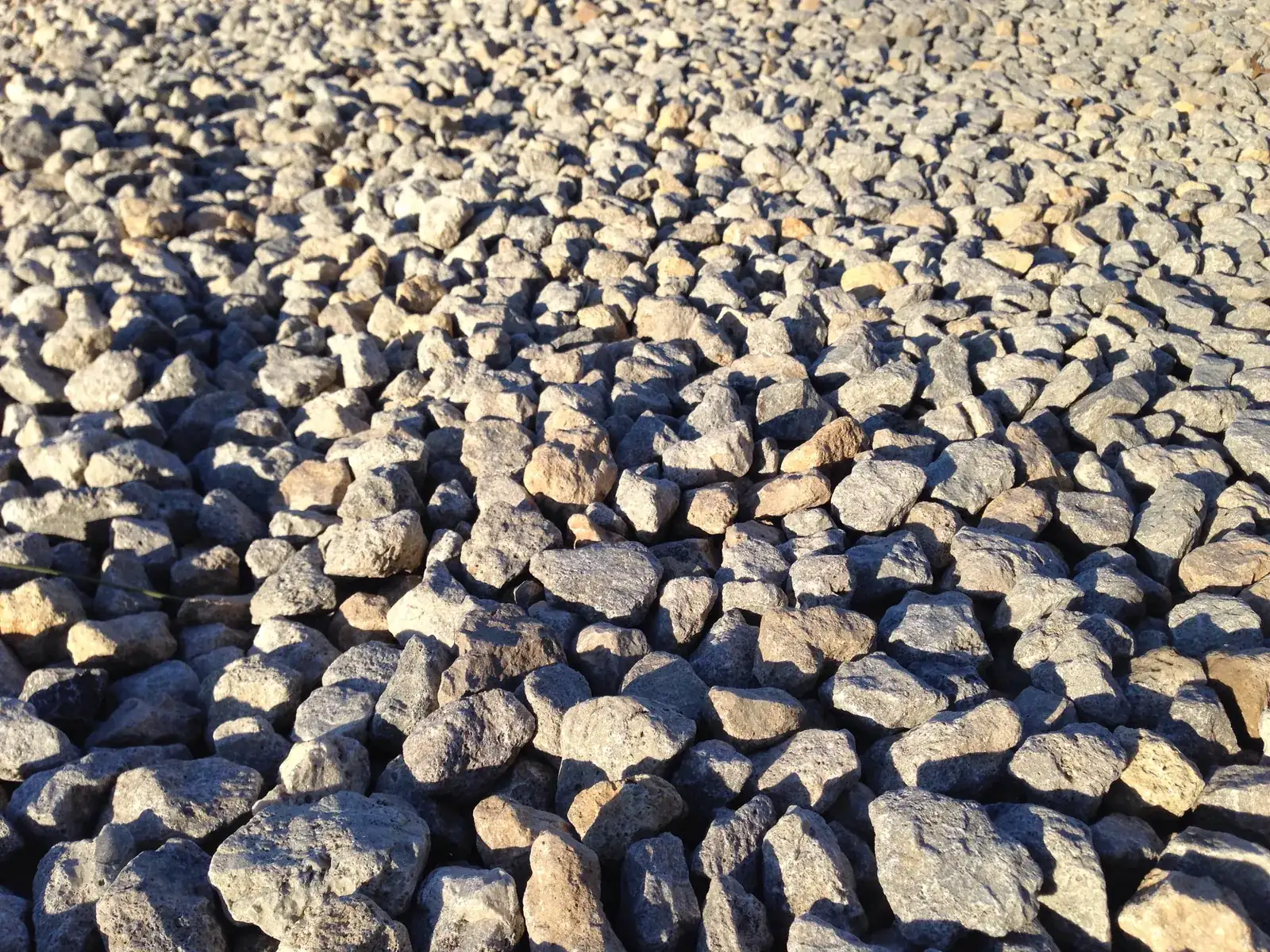
We start by cutting down the high spots and the washboard. The federal guide says washboard should be cut 1 inch or more below the low spots, then mixed and reshaped. Then we pull the rock back in from the shoulders and work it into the potholes and ruts. The guide notes that shoulder rock is often good gravel that belongs back on the surface.
Next comes the crown. The guide's ideal is a straight slope from each edge up to the center, like the roof of a house. It recommends about 1/2 inch of crown per foot, roughly 4 percent, and says not to exceed 6 percent. Too much crown makes a vehicle want to slide toward the edge.
Fresh rock goes down only after the shape is right. The guide says it is not wise to simply fill potholes and other problem areas with new gravel. We shape gravel turnarounds and parking areas the same way so they drain too.
We grade long rural drives and farm lanes around Lebanon. That includes Linn County towns like Sweet Home, Brownsville, Scio, Sodaville and Waterloo. The federal guide repeats an old saying: the three most important things in road building are drainage, drainage, and drainage. On a gravel drive, the crown and clean edges are where drainage starts.
Some drives lead to a homesite that still needs dirt work. Rough grading the building pad is part of our excavation and grading service, and both can run as one job.
The price depends on the drive. Length and width matter, and so do pothole depth, lost crown, rock on the shoulders and any brush to clear. Our guide to what driveway grading costs lays out published market ranges. For your drive, call or text (541) 936-4687 for a free estimate.
From the first call or text to the final look at the cleared ground, here is how it goes.
Tell us where the property is and what you want cleared. Rough acreage and a couple of photos give us a good start.
We come out, look over the ground and talk through the scope with you. Then you get a free estimate for that scope of work.
Before the machines move, we sort out access and timing. Oregon law typically calls for an 811 utility locate ahead of ground-disturbing work. In summer, Oregon Department of Forestry fire season rules can limit power equipment hours. We plan the job around whatever applies to your property.
The mulcher head grinds brush and small trees into chips in place. The brush rake pulls stumps and root balls where the ground has to come clean.
We spread the chips out and smooth the cleared ground where it needs it. Then we go over the finished work with you before we load up.
Common questions about driveway grading across the mid-Willamette Valley. If yours is not here, call or text and ask.
We rough grade cleared ground, building pads and gravel driveways. The same machines that clear a property handle the dirt work.
Learn More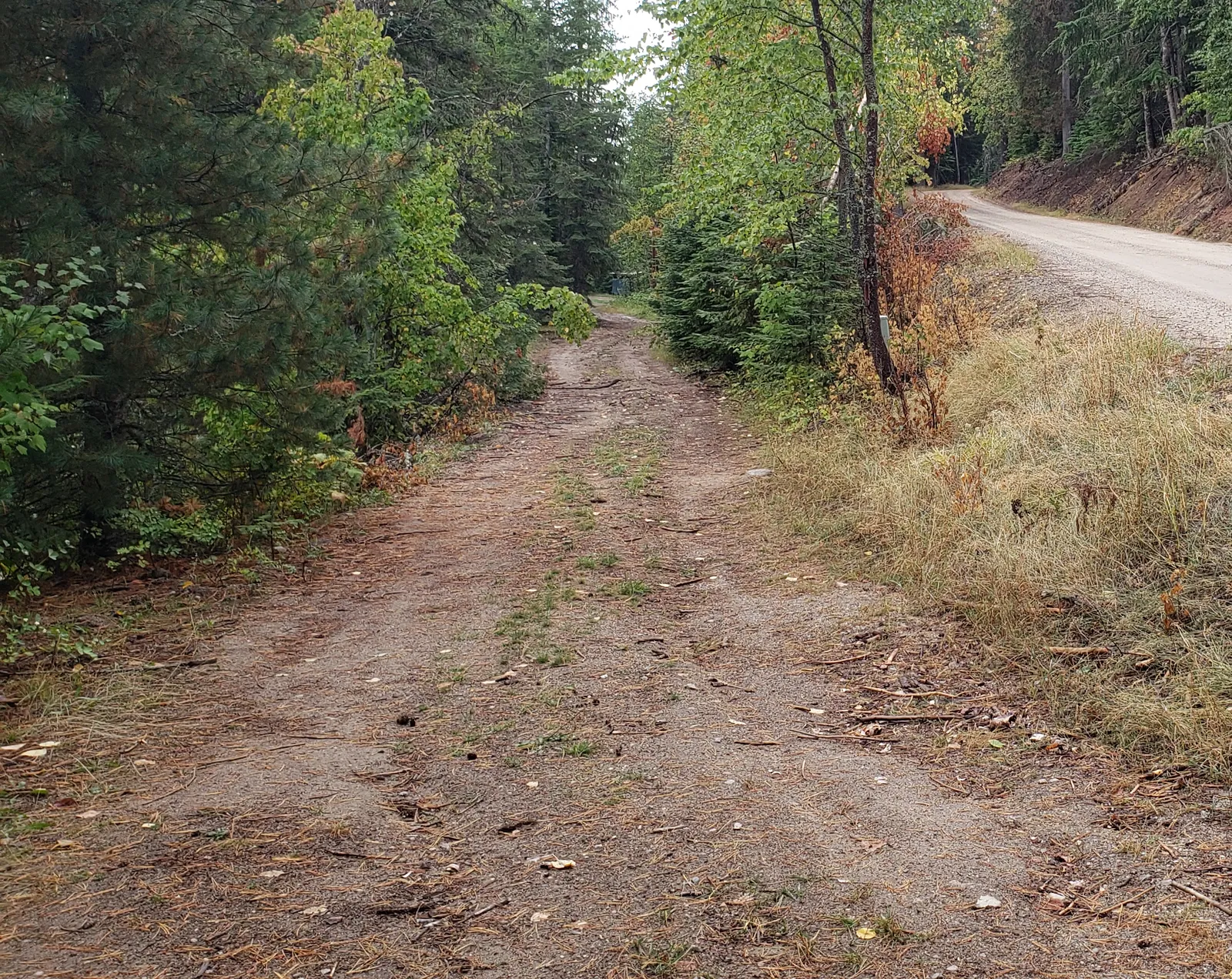
Driveways, farm lanes and access roads that brush has closed in, opened back up. We cut the edges and the overhead, then mulch what comes off.
Learn More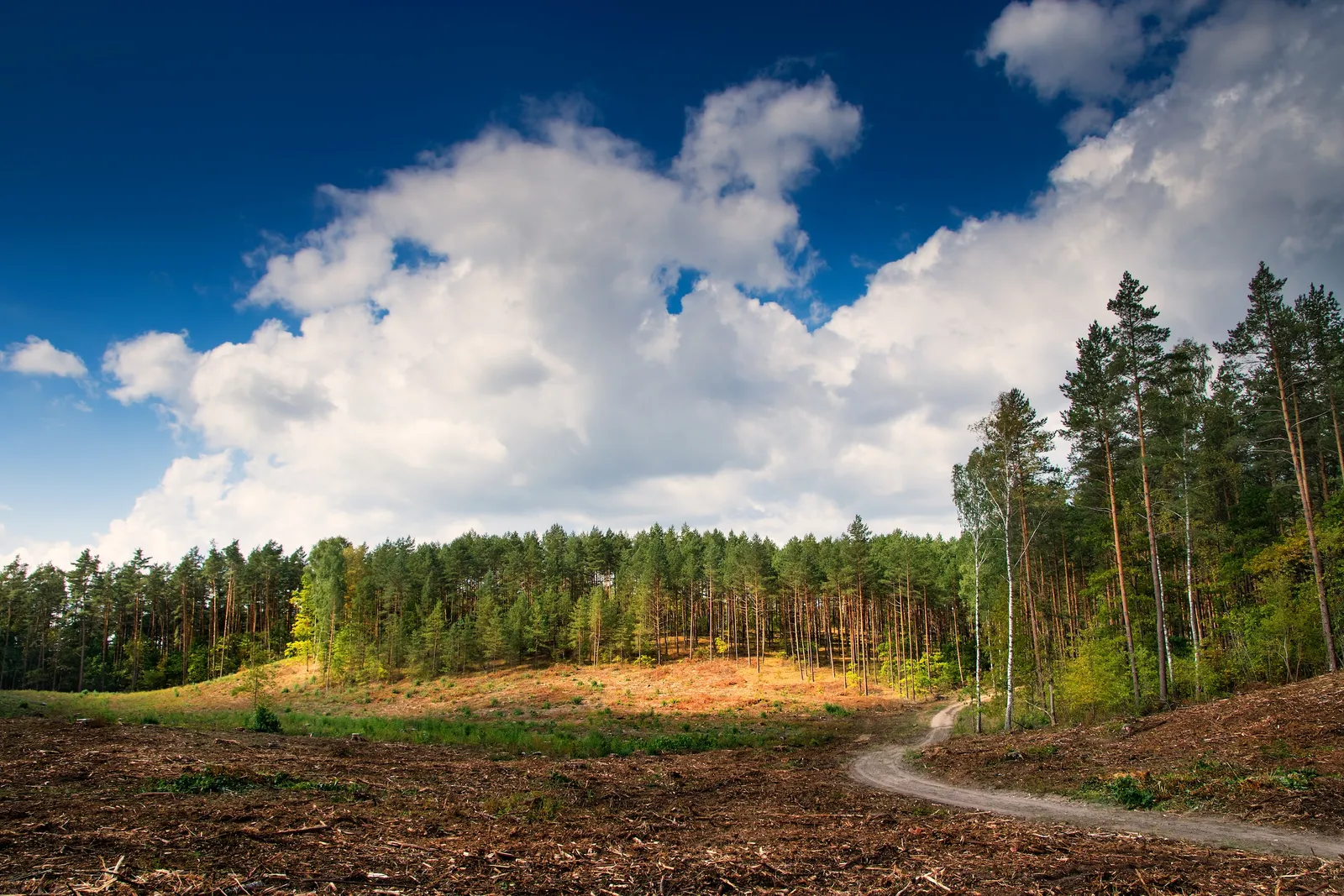
We clear homesites and building lots before construction starts. Brush, small trees and stumps come off the footprint and the access.
Learn MoreOur Bobcat skid steer carries a forestry mulcher head and a heavy brush mower. The excavator adds a mulching head and a brush rake, so stumps and root balls come out as we go.
Estimates are free in Linn, Benton, Marion, Polk and Lane counties. Tell us where the property sits and what you want cleared, and we will come look at it.
The same machines cut the growth, mulch the material and smooth the cleared ground. One company covers the work from the first pass to the last look.
Reach us at (541) 936-4687 by call or by text. A few photos of the property help us size up the job before we drive out.
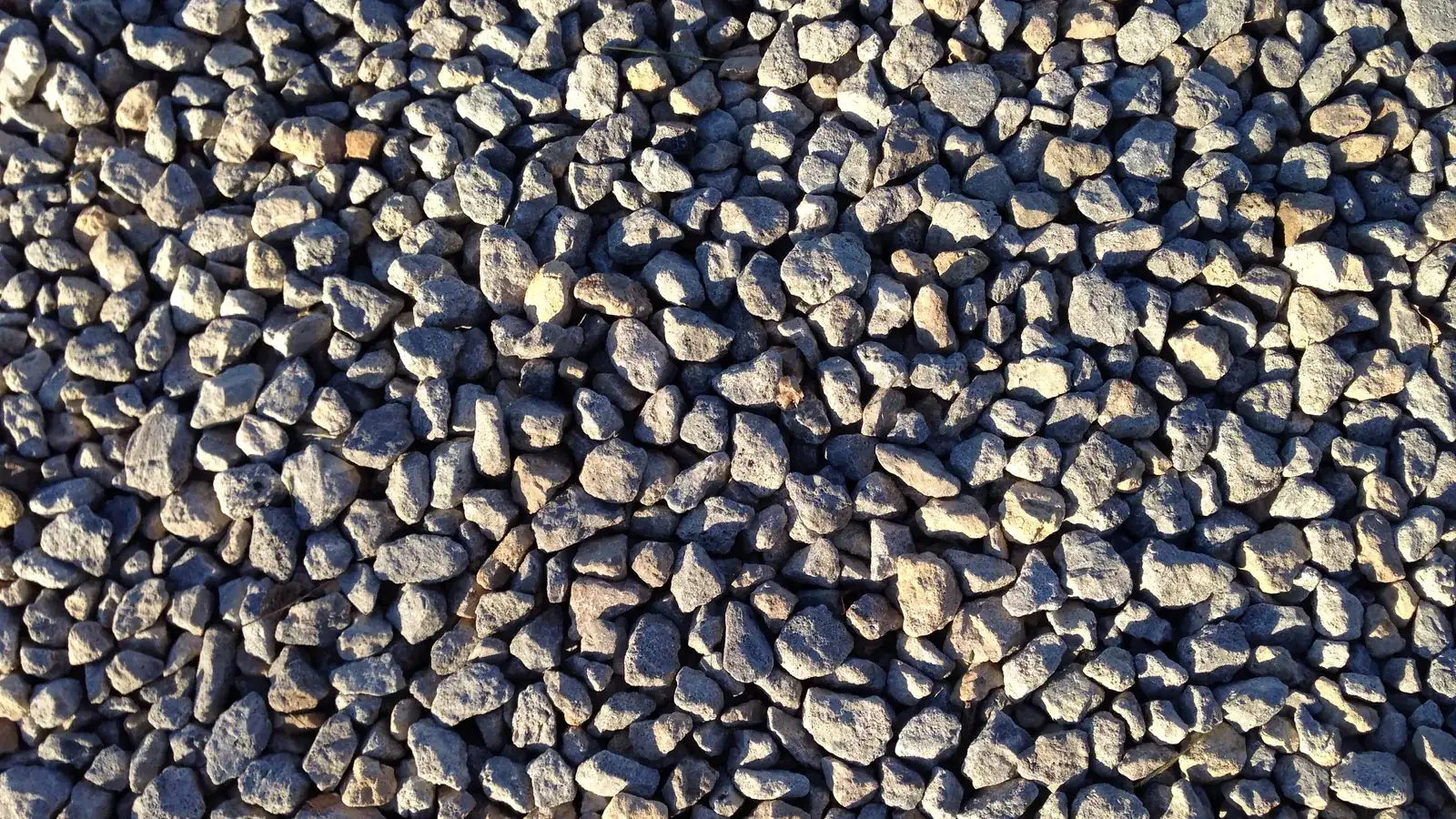
How much does driveway grading cost? A national cost guide puts it at $700 to $2,500 on average. See what moves the price and what the rock adds on top.
Read more →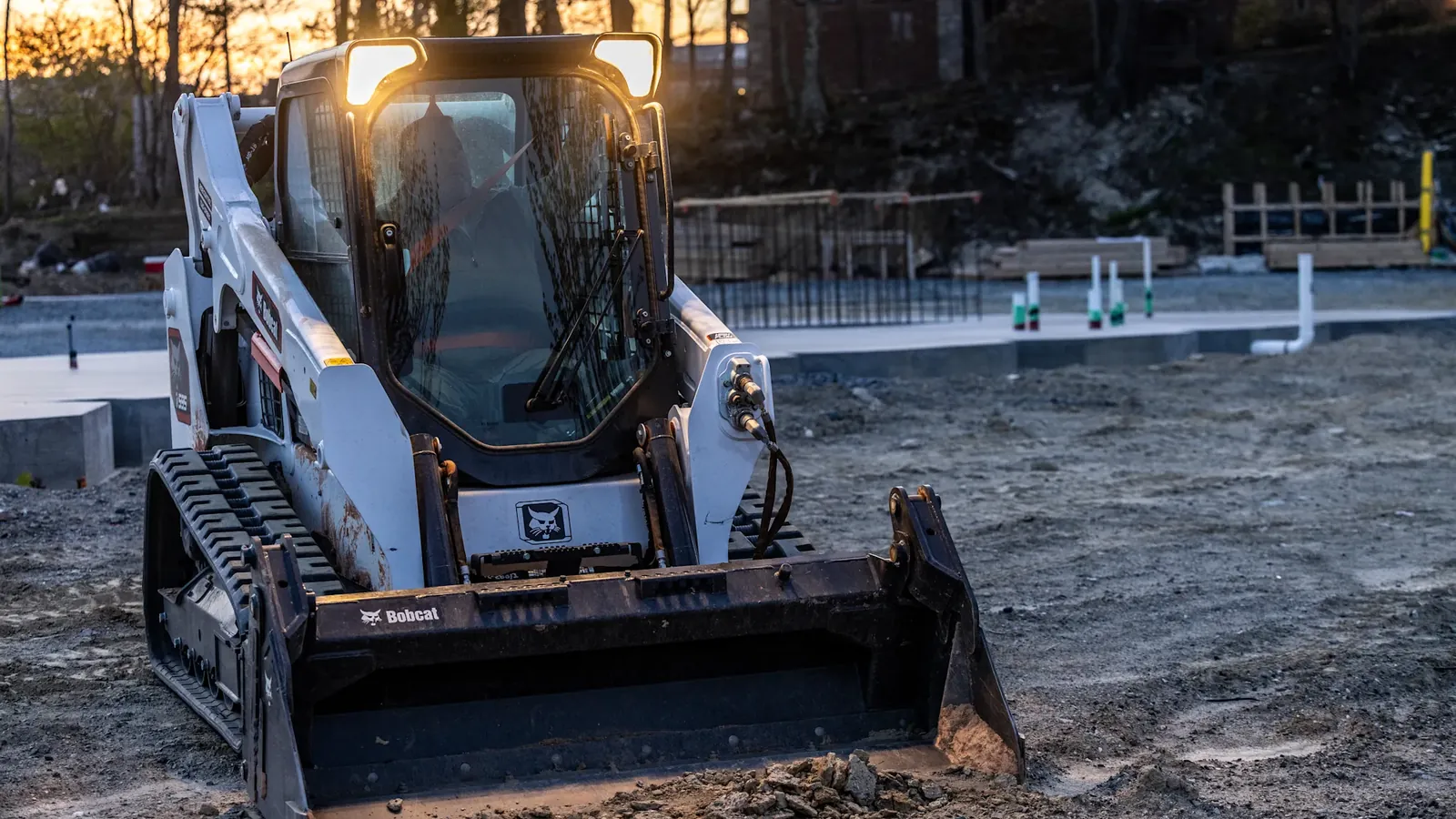
Land grading costs $500 to $5,000 on average, per a national cost guide. See rough vs finish grading rates, per-acre ranges and what moves the price.
Read more →Tell us where the property is and what you want cleared, and we will set up a look at it. You can also call or text (541) 936-4687.
Tell us about the job. We will get right back to you.